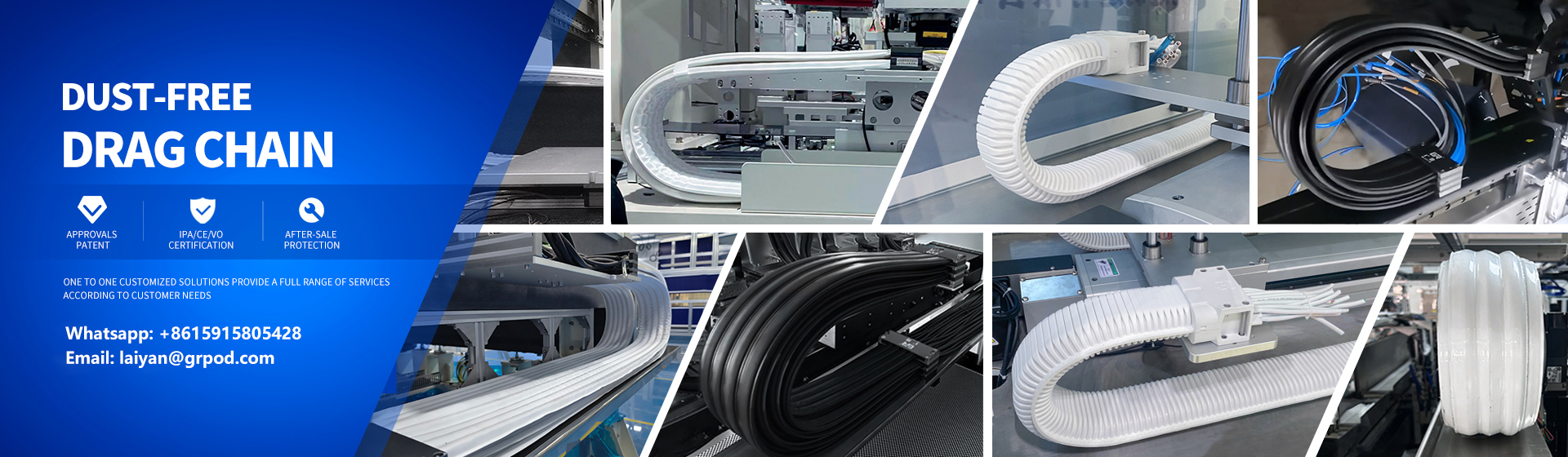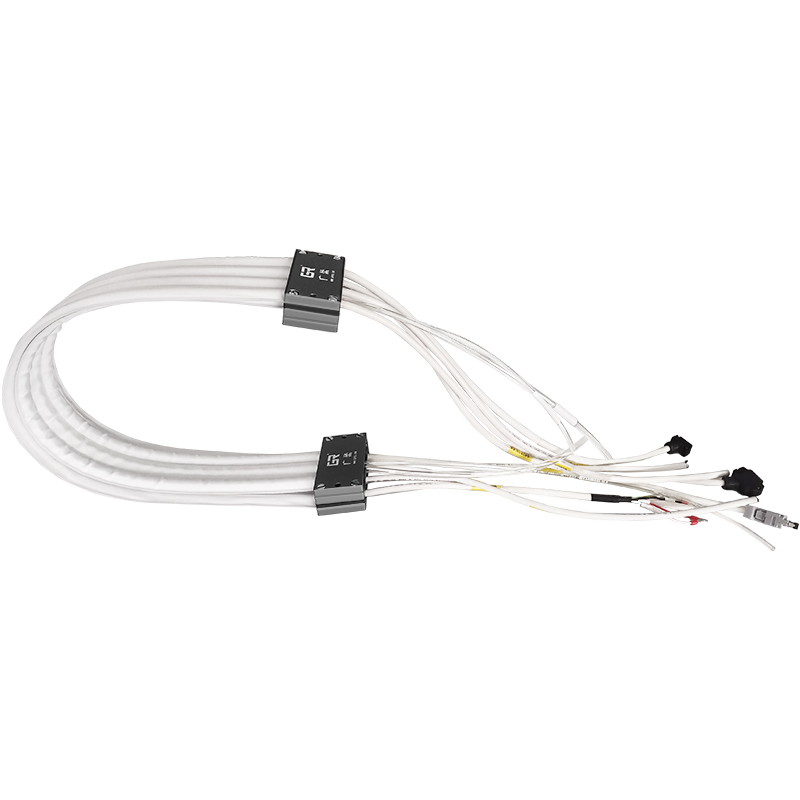
Understanding the essential benefits of drag chains and cable carriers is vital for optimizing industrial automation. Drag chains efficiently manage and protect cables in dynamic settings, reducing wear and preventing possible operational disruptions. Their ability to facilitate smooth movement minimizes the risk of tangling, which is particularly crucial in robotics, where rapid, continuous operation is the norm. Meanwhile, cable carriers further enhance efficiency by organizing energy supplies, allowing for better cable routing and reducing mechanical stress during movement. Both components contribute significantly to lowering maintenance costs and downtime, ultimately leading to greater productivity and reliability in automated systems. Investing in high-quality drag chains and cable carriers should be a priority for industries aiming to enhance their automation processes.
Understanding the Importance of Drag Chains in Automation Efficiency
Drag chains play a vital role in enhancing automation efficiency by ensuring reliable cable management in various industrial settings. By protecting cables and hoses from wear and tear, these components help maintain a seamless workflow. Their design allows for smooth movement along defined paths, minimizing the risk of tangles and damage. Furthermore, drag chains are built to support dynamic applications where constant motion is required, providing flexibility while maintaining structural integrity. This capability is crucial in reducing maintenance costs and downtime, ultimately leading to improved productivity within automation systems. By integrating drag chains, industries can achieve higher levels of operational efficiency and safety in their automated processes.
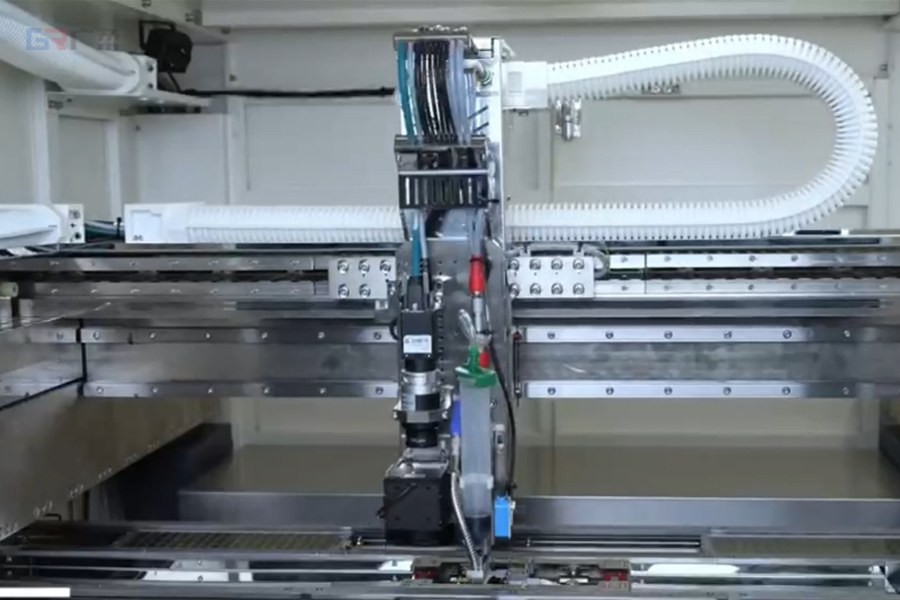
Maximizing Durability with Cable Carriers in Industrial Applications
In industrial applications, the proper use of cable carriers, particularly within cleanroom environments, is crucial for maximizing durability. These cable management systems are designed to withstand harsh operating conditions while protecting cables from mechanical wear and tear. A well-constructed drag chain not only prevents damage to essential wiring but also facilitates smoother motion, which is especially important in dynamic setups. When sourced from a reputable drag chain factory, these components are tailored for resilience, ensuring they can handle the rigors of constant movement and heavy loads. The importance of choosing a reliable drag chain manufacturer cannot be overstated; their products often include advanced materials and designs that further enhance the longevity and performance of cable systems in robotics and automation.
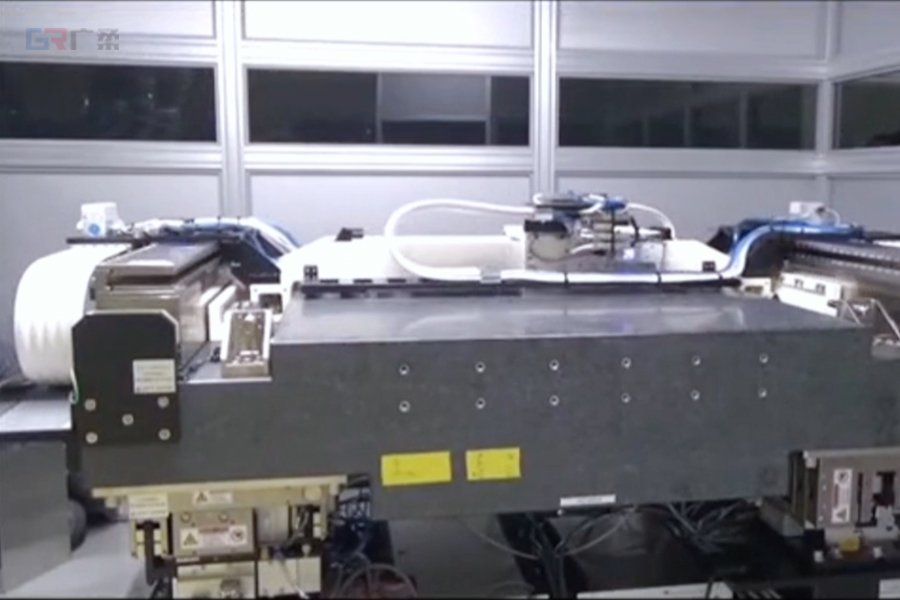
How Drag Chains Enhance Cable Management in Robotics
Drag chains, particularly the cleanroom drag chain variant, play a pivotal role in the management and organization of cables in robotic applications. By offering a secure conduit for electrical and pneumatic lines, these components prevent tangling and excessive wear during movement. This organized approach not only enhances operational efficiency but also extends the lifespan of the cables involved.
In dynamic environments where robots require fluid motion, drag chains contribute significantly by allowing for smooth transitions and reducing friction. The design of these chains accommodates varying lengths and configurations, making them adaptable to different robotic setups. Moreover, effective cable management minimizes downtime due to maintenance or repair needs.
"A well-organized cable system is essential in robotics to ensure longevity and performance—drag chains accomplish this seamlessly."
For operators and engineers in automation, investing in high-quality drag chains can yield substantial long-term benefits, making their integration a crucial consideration for any robotics project.

The Role of Cable Carriers in Protecting Dynamic Energy Supplies
Cable carriers play a vital role in safeguarding dynamic energy supplies within industrial environments. By offering robust protection for cables and hoses, they prevent wear and tear caused by movement and vibrations during operation. These carriers ensure that energy lines remain organized, reducing the risk of tangling or damage that can lead to operational downtime. Specifically designed for dynamic applications, cable carriers enhance efficiency by allowing smooth movement across various axes, thus optimizing the performance of machines. Additionally, their structured design contributes to better cable management, ensuring that energy supplies are seamlessly integrated into automated systems without compromise.
Conclusion
The integration of drag chains and cable carriers is essential for improved efficiency and reliability in automation processes. These components not only protect cables from wear but also facilitate organized cable management, crucial in dynamic applications. As industries strive for maximized productivity, the role of drag chains in preventing tangling and damage becomes increasingly significant. Similarly, cable carriers ensure that energy supplies remain well-organized, reducing the likelihood of operational disruptions. By prioritizing the application of these technologies, companies can enhance the longevity of their equipment and maintain seamless operations, making them indispensable in the landscape of industrial automation.
FAQs
What are drag chains and how do they function in industrial settings?
Drag chains are cable management systems designed to protect and organize cables and hoses in industrial environments. They facilitate smooth movement along defined paths, preventing tangling and wear during operation.
How do cable carriers enhance efficiency in dynamic applications?
Cable carriers safeguard cables from mechanical wear while ensuring organized energy supplies. Their design allows for fluid motion across multiple axes, which is essential for optimizing machine performance.
Why is proper cable management important in robotics?
Effective cable management prevents excessive wear and tear on cables, prolonging their lifespan. This organized approach also minimizes downtime due to maintenance or repairs, enhancing overall operational efficiency.
What materials are commonly used in high-quality drag chains?
High-quality drag chains are often made from advanced materials that offer durability and resistance to harsh operating conditions. This construction maximizes longevity and performance in dynamic settings.
Can drag chains be customized for specific applications?
Yes, drag chains can be tailored to meet the unique requirements of different robotic setups or industrial applications, ensuring compatibility with varying lengths and configurations of cables.
How do I know if I need drag chains or cable carriers for my projects?
Consider the operational environment; if your application involves significant movement or dynamic tasks, both drag chains and cable carriers can provide crucial support to ensure durability and efficiency.
Contact Guangrou for a clean room drag chain solution.