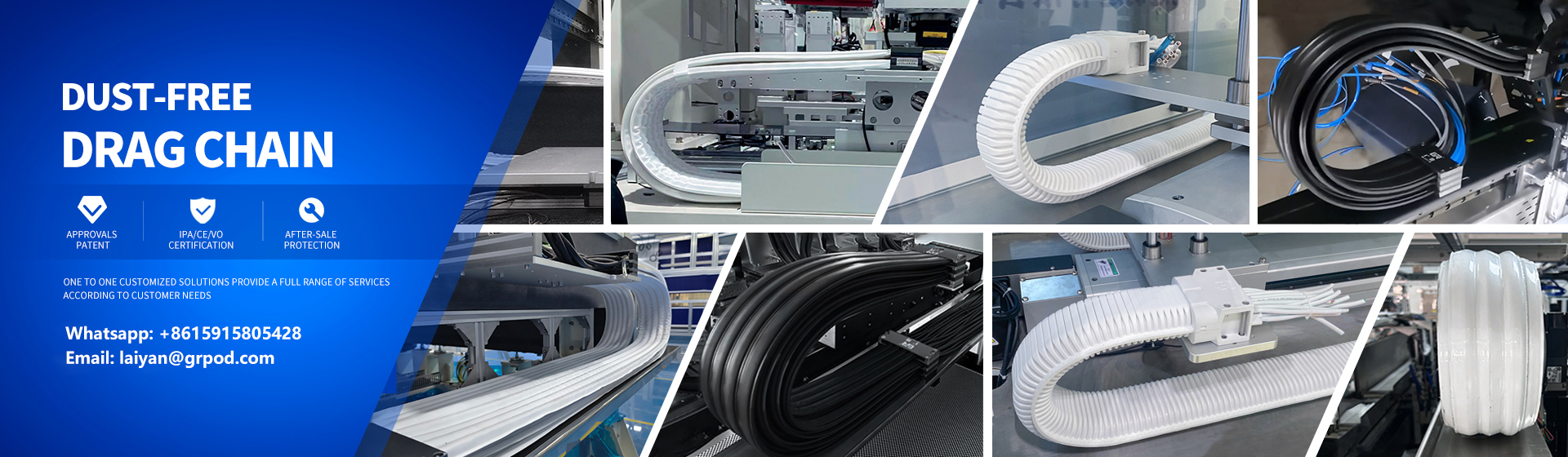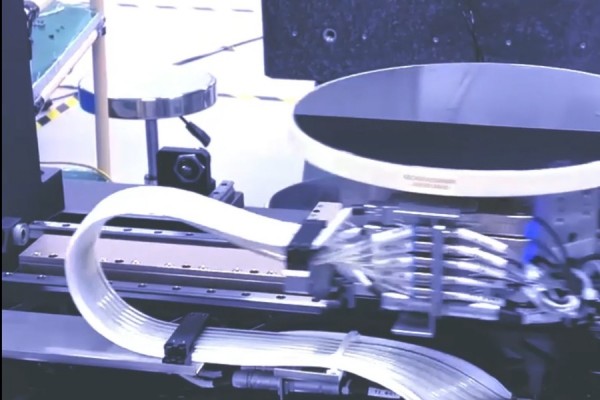
The integration of drag chains into industrial cable management systems presents several critical advantages that greatly influence operational efficiency. By effectively organizing and protecting cables and hoses, drag chains minimize the risks associated with wear and tear during movement. Their design ensures that cables are secured, preventing entanglement and friction that can lead to damage or downtime. Furthermore, the flexibility in design allows for tailored solutions that accommodate various industrial applications. This adaptability supports smooth movement in dynamic environments, directly contributing to workflow stability. Emphasizing the importance of selecting high-quality drag chains reinforces their role in enhancing productivity while safeguarding essential components in automated systems.
Understanding the Benefits of Drag Chains in Industrial Cable Management
Drag chains, commonly referred to as cable carriers, play a vital role in industrial cable management by providing effective organization and protection for cables and hoses. Their design allows smooth movement along a designated path, which significantly reduces wear and tear that could result from friction or entanglement. This reliable performance is crucial for maintaining the functionality of automated systems. A reputable drag chain factory focuses on creating robust and flexible links that adapt to varying industrial environments.
The integration of drag chains into machinery can enhance operational efficiency. By ensuring that cables are contained and managed properly, businesses can minimize downtime related to cable damage or maintenance issues. Additionally, the arrangement of cables within these carriers enables easier access for repairs and replacements, further streamlining processes in manufacturing settings. Ultimately, employing drag chains in cable management systems not only protects essential components but also boosts overall productivity in industrial applications.
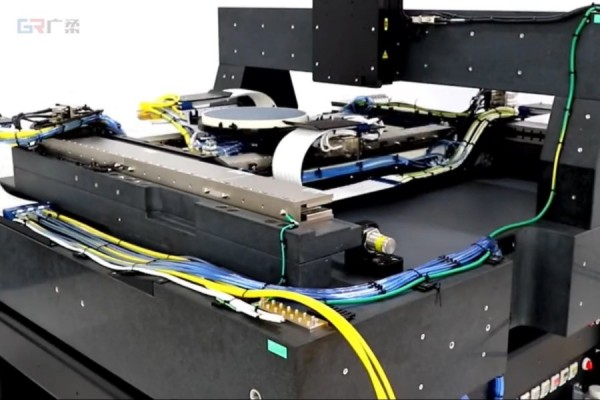
The Importance of Cable Carriers in Automated Systems
Cable carriers, particularly cleanroom drag chains, play a vital role in the seamless operation of automated systems. By securely organizing and protecting cables and hoses, they mitigate risks associated with wear and tear during movement. The design of these drag chains allows them to accommodate a wide range of applications, ensuring that vital components remain undamaged while minimizing downtime. Additionally, they provide stability and reduce friction, which is crucial for maintaining efficient workflow in industrial settings. Without reliable cable carriers, the chances of malfunctions increase significantly, affecting the overall reliability of automated processes. Thus, integrating high-quality drag chains into systems not only enhances operational efficiency but also contributes to long-term operational reliability.
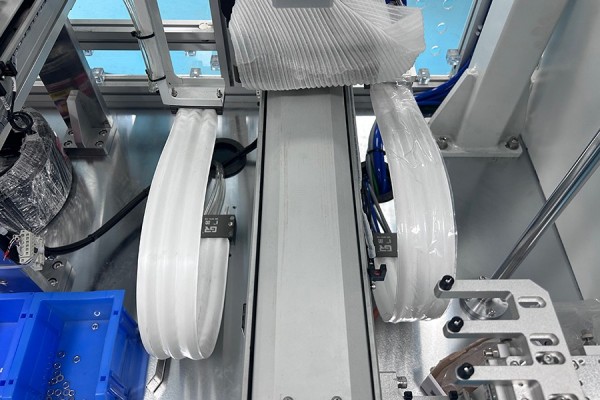
Enhancing Efficiency with Drag Chains: Optimal Solutions for Cable Protection
Drag chains, or cable carriers, play a critical role in ensuring the efficient management of cables in automated systems. By providing a structured pathway for cables and hoses, they help to reduce wear and tear caused by friction and tangling. A well-designed drag chain not only protects vital cables but also facilitates smooth movement along various tracks within machinery. This capability is essential in maintaining the optimal functionality of systems where precision and reliability are paramount.
When exploring drag chain options, it’s beneficial to consult a reputable drag chain factory that specializes in durable materials and innovative designs. Such manufacturers can provide insights on selecting the right type for specific industrial applications.
“Choosing the right drag chain can significantly enhance operational efficiency and extend the lifespan of equipment.”
Optimal configurations enable flexibility while securing necessary components, which can ultimately lead to increased uptime and reduced maintenance costs in industrial operations.
Flexible Movement and Design: Key Features of Drag Chains for Industrial Use
Drag chains, essential for managing industrial cables and hoses, offer a unique combination of design and functionality that supports flexible movement. These structures are typically crafted from durable materials, such as reinforced plastics or robust metals, which ensure longevity and resistance to wear. The interconnected links of a drag chain provide a seamless pathway for cables, allowing them to move freely without stress or strain. This flexibility minimizes the risk of abrasion, entanglement, and breakage, especially in dynamic environments where machinery is in constant motion.
Furthermore, the design of drag chains accommodates various bending radii and lengths. This adaptability allows manufacturers to customize solutions for specific applications. The capability to guide cables effectively while maintaining proper tension reduces maintenance needs and enhances the overall efficiency of automated systems. By allowing for fluid motion within defined spaces, drag chains significantly reduce operational downtime attributed to cable damage or management failures.
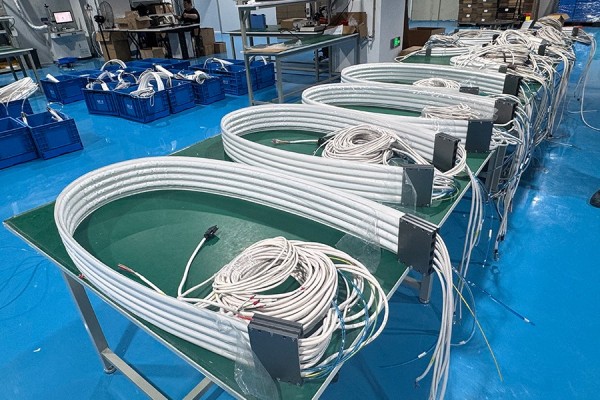
In addition to their protective function, drag chains facilitate organized cable layout, helping to prevent clutter in industrial environments. This organization is key for safety and maintenance procedures, further underscoring the importance of selecting a reliable drag chain manufacturer when optimizing industrial cable management systems.
Conclusion
Integrating drag chains into industrial cable management systems offers significant advantages that extend beyond mere organization. These systems not only protect vital cables and hoses from wear but also ensure efficient movement within automated environments. By decreasing the potential for friction and tangling, drag chains contribute to smoother operations and reduce machine downtime. Furthermore, their customizable designs accommodate various industrial settings, enhancing flexibility in cable routing while maintaining proper tension. As industries continue to evolve towards automation, the role of drag chains will remain crucial in safeguarding equipment integrity and optimizing overall operational performance. Reliable implementation of these systems can lead to substantial improvements in productivity and cost-effectiveness within manufacturing processes.
FAQs
What are drag chains?
Drag chains, also known as cable carriers, are structures used to manage and protect cables and hoses in industrial applications.
How do drag chains enhance cable management?
They provide a organized pathway that reduces wear and prevents tangling, ensuring reliable performance in automated systems.
What materials are commonly used in drag chain manufacturing?
Typically, drag chains are made from durable materials such as reinforced plastics or robust metals to withstand industrial environments.
Can drag chains be customized for different applications?
Yes, they can be tailored to accommodate various bending radii and lengths to fit specific machinery requirements.
What is the importance of selecting a reputable drag chain manufacturer?
A reputable manufacturer ensures high quality and innovative design, which can significantly enhance the durability and efficiency of cable management systems.
Contact Guangrou for a clean room drag chain solution.