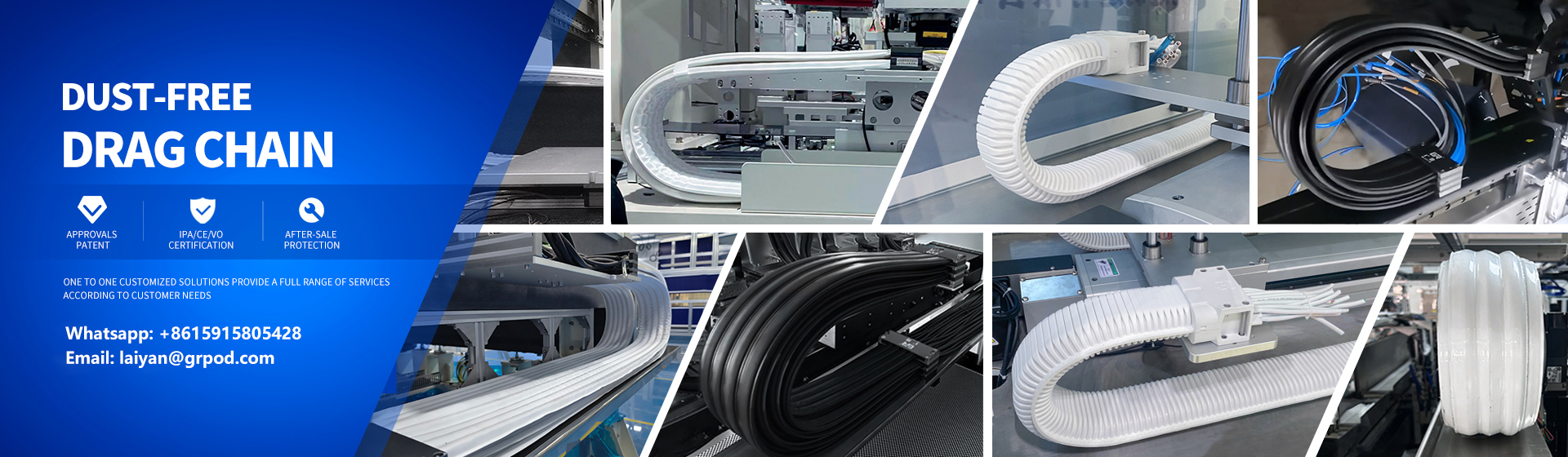
Selecting the right drag chain for cleanroom cable moving systems involves a thorough understanding of specific operational needs and environmental requirements. Focus on materials that offer resistance to both abrasion and contamination, as these properties are crucial in maintaining cleanliness and ensuring durability. Design is equally important; an openable drag chain design not only aids in installation but also enhances the ease of maintenance, critical in cleanroom settings. Additionally, keep load capacity in mind to guarantee that the drag chain supports the intended cables without compromising performance. Compliance with ISO cleanliness classifications is a must to secure proper functionality within stringent cleanroom standards. By carefully evaluating these factors, one can optimize both performance and safety in cleanroom applications.
Choosing Cleanroom-Approved Cable Carriers for Superior Contamination Control
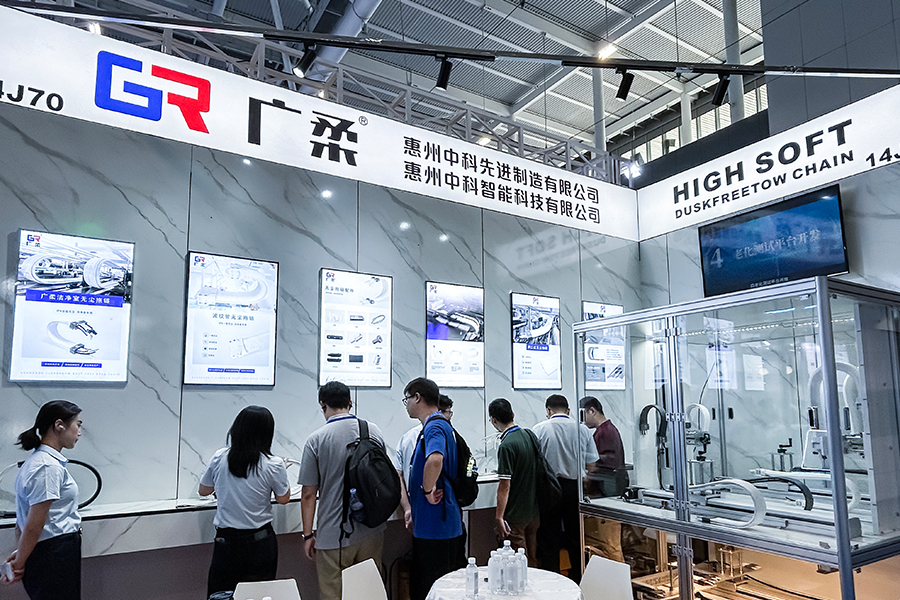
When it comes to selecting drag chains in cleanroom environments, the primary focus should be on contamination control. Cleanroom-approved cable carriers are specifically designed to minimize particle contamination, which is essential in maintaining product integrity. Factors to consider include the drag chain manufacture's adherence to ISO cleanliness standards and the materials used in construction, which should offer abrasion and chemical resistance.
Additionally, choosing systems that generate minimal dust and are easy to clean can further enhance contamination control. "The right choice in drag chain can lead to significant improvements in operational efficiency," says industry experts. It's also beneficial to evaluate the flexibility of the drag chain design; a more open design allows for easier installation and maintenance without risking contamination of sensitive areas.
Taking into account your specific operational needs, such as cable size and load capacity, will also play a pivotal role in ensuring that your cleanroom environment remains compliant with stringent industry standards while facilitating optimal performance.
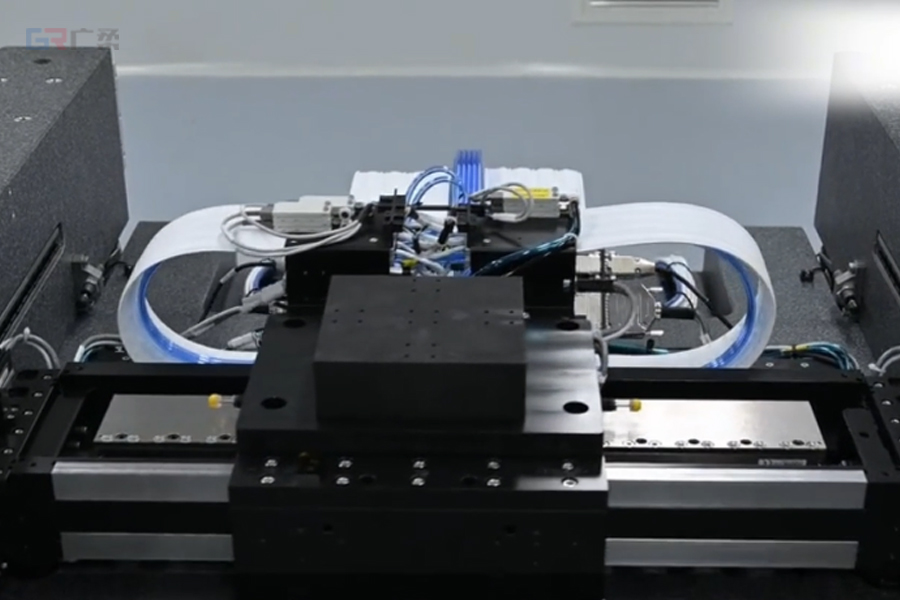
Key Considerations for Selecting Drag Chains in Cleanroom Environments
When selecting drag chains for cleanroom applications, several critical factors come into play that ensure optimal performance and compliance with stringent contamination control standards. Firstly, it’s essential to verify that the chosen drag chain is manufactured specifically for cleanroom use, ensuring it meets ISO cleanliness classifications. The material used in the drag chain also impacts its durability and ability to resist abrasion, oil, and chemicals common in various industries.
Next, consider the design; an openable configuration can enhance maintenance efficiency and simplify installation. It’s also advisable to look at the drag chain's capability for dynamic movement and noise levels, particularly in environments requiring low particulate emissions. Pay attention to load capacity as well as cable size compatibility; a reliable drag chain manufacturer will provide detailed specifications to guide your decision.
Lastly, evaluate the static dissipation properties of the drag chain to mitigate risks of electrostatic discharge, which can be detrimental in sensitive applications. By considering these factors carefully, you can select a cleanroom-approved cable moving system that meets all operational and regulatory requirements.
| Consideration | Importance |
|---|---|
| ISO Cleanliness | Ensures compliance with industry standards |
| Material Durability | Resists common wear and contaminants |
| Design Features | Facilitates ease of maintenance |
| Load Capacity | Supports necessary cable weights |
| Static Dissipation | Reduces electrostatic risks |
Optimizing Performance with Cleanroom Cable Moving Systems
Effectively managing cables in cleanroom environments is essential for maintaining optimal performance. A cleanroom drag chain plays a critical role by ensuring that cables are organized, protected, and functionally efficient under strict cleanliness protocols. These systems must be designed to minimize contamination risks while providing reliable operation in dynamic conditions. When selecting components from a reputable drag chain factory, it's crucial to consider features such as abrasion resistance, low dust generation, and anti-static properties. These traits not only contribute to long service life but also support compliance with industry standards. By integrating cleanroom-approved cable carriers into automated processes, businesses can enhance system reliability and efficiency while safeguarding against potential contamination issues that may arise during operation. Ultimately, the performance of a cleanroom cable moving system hinges on carefully chosen drag chains that fit the specific needs of the environment and applications involved.
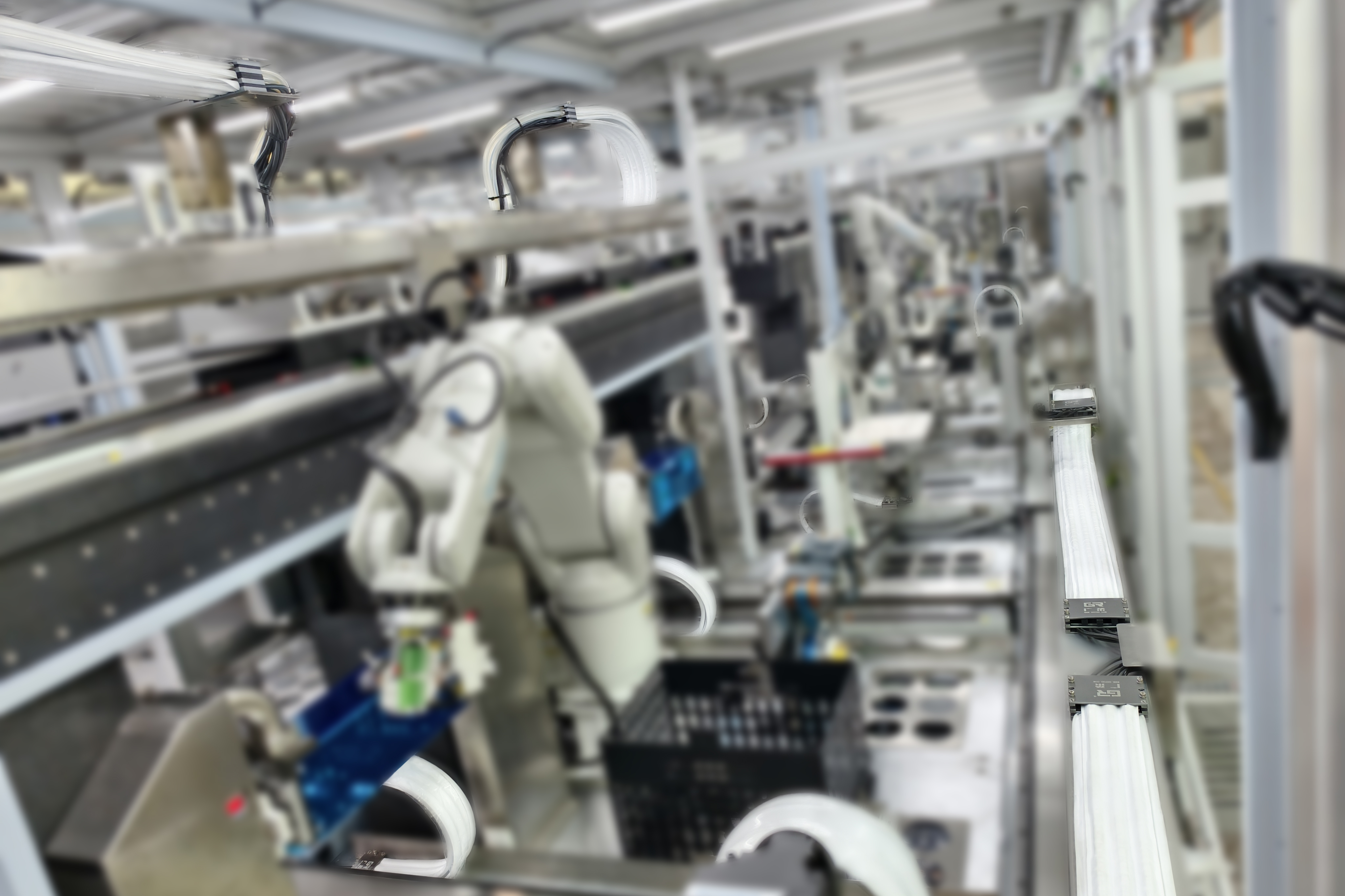
Guidelines for Evaluating Drag Chains for Cleanroom Applications
When evaluating drag chains for cleanroom applications, it’s essential to consider several key factors to ensure optimal performance and contamination control. Start by assessing the cleanroom classification levels, as each environment has specific requirements that dictate the type of materials and designs suitable for use. Next, examine the dimensions and flexibility of the drag chain; proper sizing is critical to accommodating movement without undue stress on cables. Load capacity is another important consideration—ensure the drag chain can support the intended weight of cables and connectors. Pay attention to materials as well; options that resist abrasion and are immune to chemicals help in minimizing wear over time. Additionally, assess features such as openable designs and low dust generation capabilities, which can significantly enhance maintenance efficiency in a cleanroom environment. Lastly, review any compliance certifications that align with industry standards to confirm that your chosen drag chain meets necessary cleanliness and safety requirements.
Conclusion
In conclusion, selecting the appropriate drag chain for cleanroom cable moving systems is critical for ensuring compliance with cleanliness standards and enhancing operational efficiency. A focus on factors such as the drag chain's material properties, dimensions, and design features will significantly impact its performance in cleanroom environments. Furthermore, understanding the specific requirements of the cleanroom classification helps refine the selection process, ensuring that chosen systems meet industry regulations. By prioritizing cleanroom-approved cable carriers that minimize contamination risks and facilitate easy maintenance, companies can safeguard sensitive operations and maintain a high standard of cleanliness. Overall, a strategic approach to evaluating drag chains can lead to optimized performance and longevity in diverse cleanroom applications.
FAQs
What materials are best for drag chains in cleanroom environments?
Materials that offer abrasion resistance and chemical immunity are ideal for drag chains in cleanroom settings. These materials help minimize wear and contamination over time.
How important is the design of a drag chain for maintenance?
An openable design is crucial as it simplifies installation and maintenance, reducing the risk of contamination during equipment servicing.
What specifications should I check before purchasing a drag chain?
Ensure to check the ISO cleanliness classification, load capacity, dimensions, and static dissipation properties to confirm they meet your operational needs and cleanroom standards.
Can drag chains affect cable performance in cleanrooms?
Yes, appropriately selected drag chains help organize and protect cables, ensuring optimal functionality while adhering to strict cleanliness protocols.
What role do industry standards play in selecting a drag chain?
Selecting a drag chain that complies with industry standards ensures that it contributes effectively to contamination control while maintaining operational efficiency.
Contact Guangrou for a clean room drag chain solution.