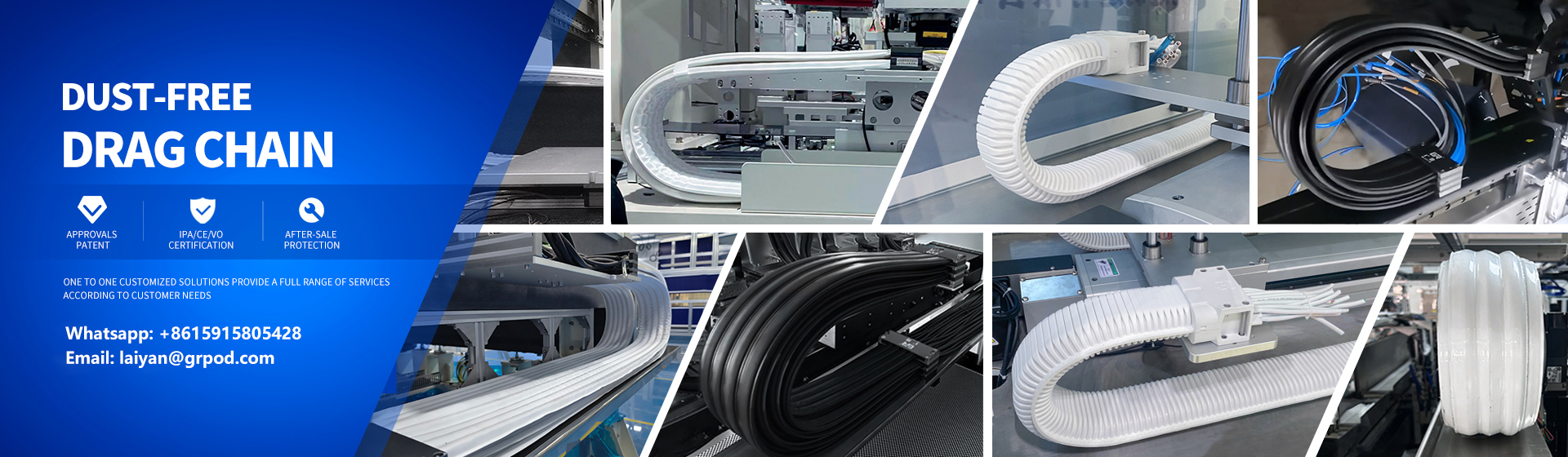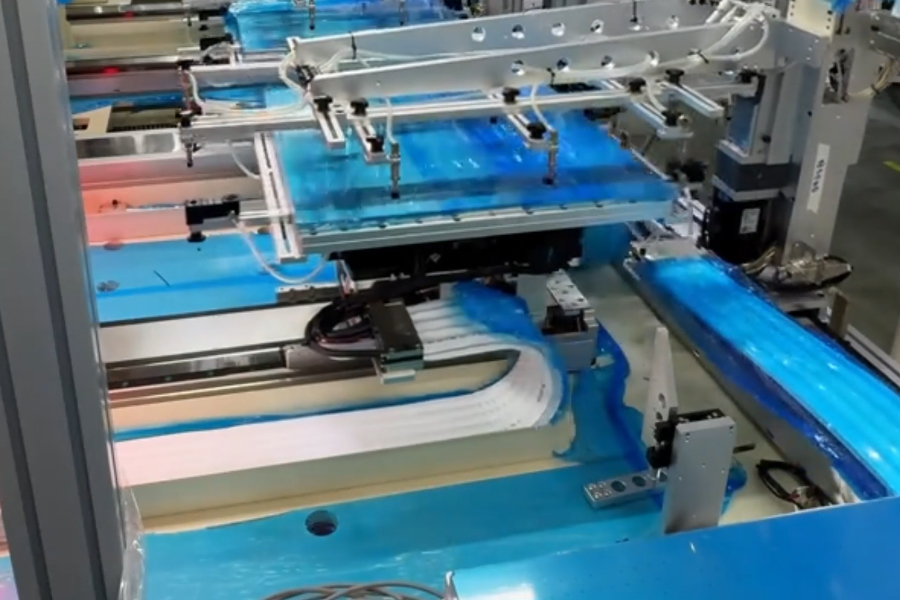
Effective cable carriers and drag chains are indispensable tools in enhancing the functionality of automation systems across various industries. They provide robust protection for cables and hoses, thereby shielding them from physical damage caused by movement and environmental conditions. This protective role significantly prolongs the life of wiring components, ultimately leading to reduced maintenance costs and downtime. Additionally, the organization of cables facilitated by these systems supports consistent performance, especially in high-demand settings such as CNC machines and 3D printers. Furthermore, choosing appropriate designs tailored to specific operational needs can greatly improve overall efficiency. By adopting reliable cable management solutions, businesses can not only enhance productivity but also create safer working conditions by minimizing clutter and operational risks associated with entangled or damaged lines.
Understanding the Role of Cable Carriers and Drag Chains in Automation
Cable carriers and drag chains play a pivotal role in modern automation systems, particularly by providing reliable management of cables and hoses in dynamic environments. These systems are engineered to protect wiring against abrasion and mechanical stress, which is crucial in reducing maintenance needs and downtime. By organizing cables, they enable seamless movement and help maintain the integrity of connections throughout their operation. This is particularly important for applications such as CNC machines and 3D printers, where precise movements are essential.
"Effective management of cables not only enhances the longevity of components but also contributes to overall system efficiency."
Utilizing cable carriers allows for a clutter-free setup, mitigating the risks associated with entangled or damaged lines. As machines operate at high speeds or cycles, a well-implemented drag chain system will help sustain performance levels while safeguarding the connected elements from adverse wear. Consequently, integrating these components into automation designs leads to enhanced productivity and reliability over long-term use.
Benefits of Using Drag Chains for Protecting Cables in Industrial Applications
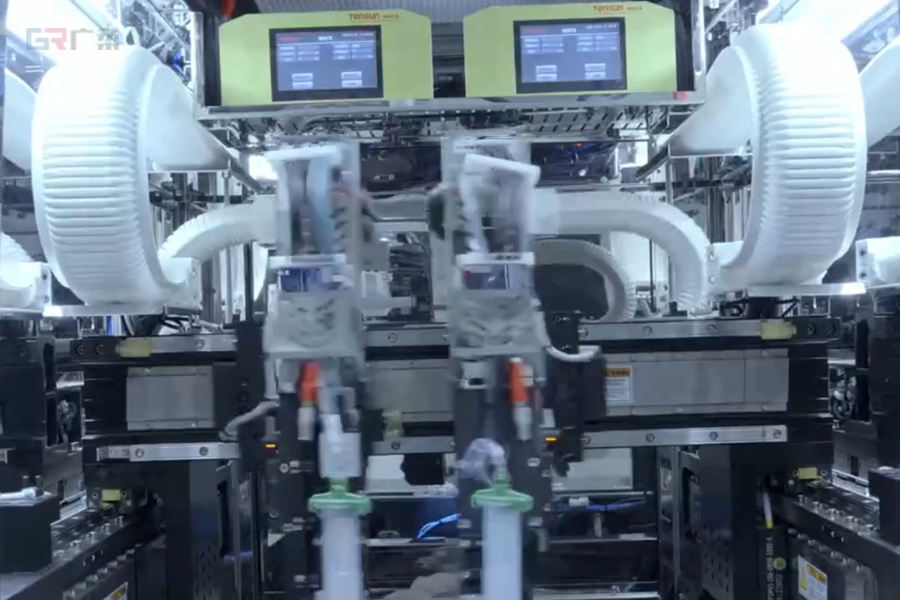
Drag chains are essential in safeguarding cables and hoses in various industrial settings. By enclosing wiring within a cleanroom drag chain, manufacturers can significantly reduce the risk of abrasion and mechanical stress, prolonging cable life. The design of these drag chains allows for organized management, ensuring that cables remain untangled and accessible during operation. Employing solutions from a reputable drag chain factory ensures quality materials that resist wear and tear, enhancing reliability under high performance conditions. Additionally, selecting the right drag chain manufacture can provide customized solutions tailored to specific applications such as CNC machines and 3D printers, optimizing both efficiency and safety in automation processes. By integrating advanced designs into facilities, industries benefit from reduced downtime and improved overall productivity.
| Benefits | Description |
|---|---|
| Protection | Shields cables from wear and tear during movement |
| Organization | Maintains neat alignment of wiring for easy access |
| Customization | Offers tailored solutions to meet various application needs |
| Efficiency | Minimizes downtime through effective cable management |
Choosing the Right Cable Carrier Solutions for CNC Machines and 3D Printers
When selecting cable carrier solutions for CNC machines and 3D printers, it is essential to consider factors such as size, material, and design flexibility. The right drag chain manufacture can provide options tailored for various environments and cable types. For instance, modular designs allow users to customize the length and flexibility of the cable carrier to fit specific machinery requirements. Choosing a drag chain made from durable materials is also critical, as it will ensure resistance against wear and tear, particularly in high-motion scenarios. Furthermore, installation simplicity can significantly save time during setup; look for systems that offer easy snap-together assembly. By focusing on these characteristics, operators can enhance operational efficiency while minimizing downtime in their automation processes.
Maximizing Efficiency with Modular Design in Drag Chains and Cable Management
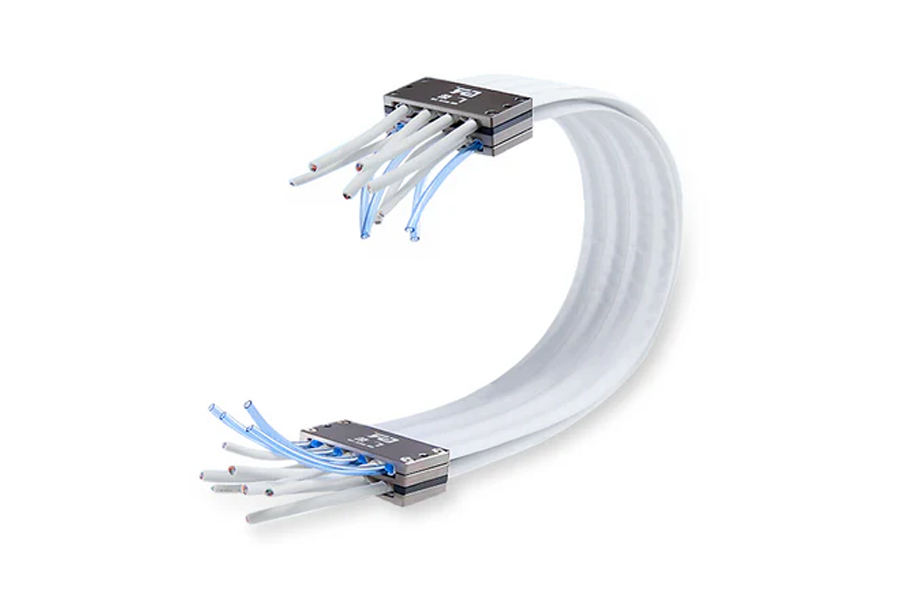
Modular design in drag chains offers significant advantages for cable management, particularly in environments demanding precision, such as cleanrooms. The ability to add or remove links makes these drag chains easily customizable to accommodate varying lengths and applications. This flexibility allows users to tailor configurations specifically for different machinery or processes, promoting organization and reducing the likelihood of cable wear or damage. For instance, in a drag chain factory, the focus on modular components enables efficient inventory management and assembly processes. Moreover, incorporating a modular approach aids in rapid maintenance workflows; should a section become damaged, it can be swiftly replaced without needing to overhaul the entire system. This adaptability not only enhances operational efficiency but also contributes to safer work environments by minimizing clutter and optimizing space utilization.

Conclusion
The integration of cable carriers and drag chains is essential for optimizing automation systems. Their ability to protect wiring from physical damage and maintain orderly management directly affects the longevity and reliability of machinery operations. By carefully selecting the right solutions, such as modular designs that facilitate easy maintenance and adjustments, users can significantly enhance the performance of equipment in demanding environments. Moreover, these systems contribute to reducing operational interruptions, allowing for sustained productivity. Therefore, businesses that invest in effective cable management strategies stand to improve their overall efficiency and performance while minimizing downtime.
FAQs
What are cable carriers and drag chains?
Cable carriers and drag chains are systems designed to manage and protect cables and hoses in automation environments, ensuring they remain organized and safeguarded from mechanical stress.
How do drag chains benefit industrial applications?
Drag chains minimize cable wear by enclosing them, reducing the risk of tangling or abrasion during machine operation, which contributes to prolonged cable life.
What factors should be considered when selecting a cable carrier for CNC machines?
When choosing a cable carrier for CNC machines, key factors include the size of the carrier, the material for durability, design flexibility for customization, and ease of installation to ensure efficient operation.
Can modular design improve efficiency in drag chain systems?
Yes, modular design allows users to customize drag chain lengths easily, facilitating quick adjustments or replacements without disrupting the entire system, thereby enhancing overall productivity.
Contact Guangrou for a clean room drag chain solution.