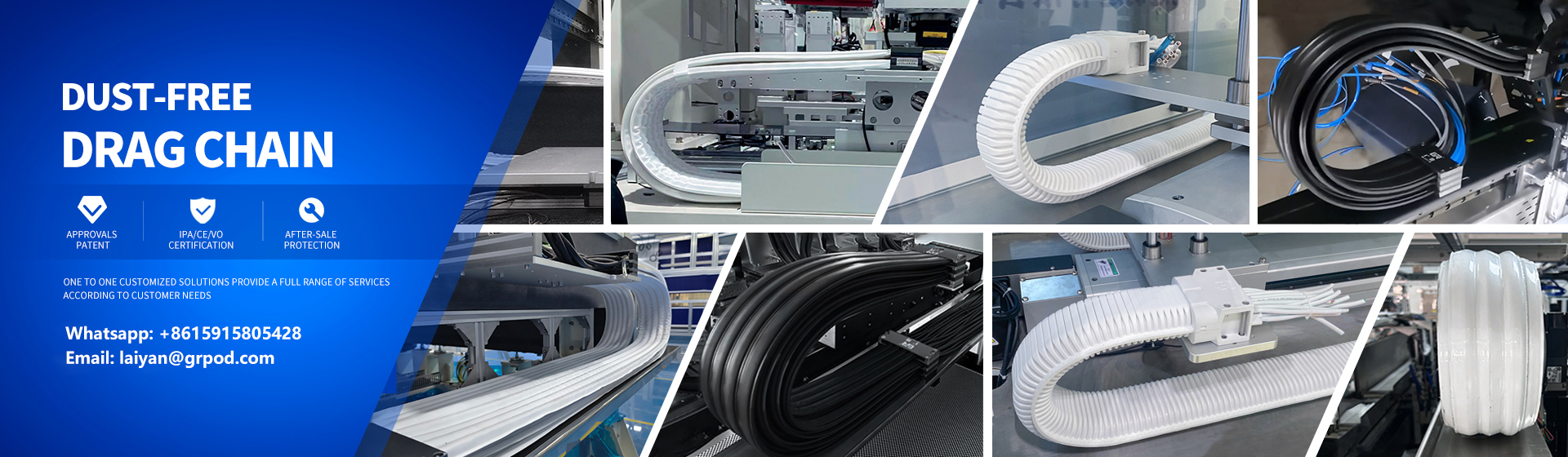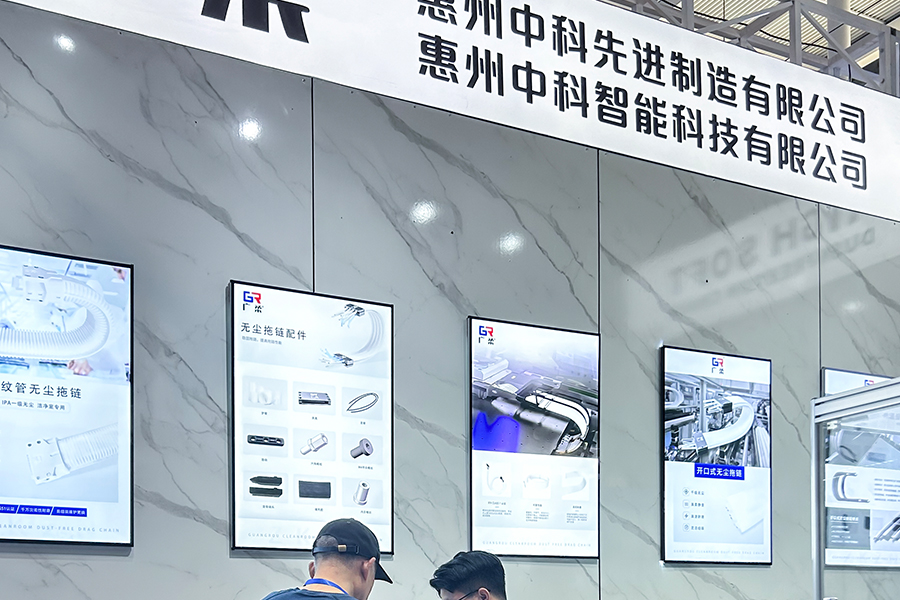
When it comes to maintaining effective cable management systems, understanding the key factors influencing the durability of cable chains is essential. Material quality is at the forefront, as the choice of high-performance materials directly impacts how well these carriers withstand stresses from movement and environmental conditions. Additionally, flexibility plays a critical role; it allows cables to navigate bends without breaking. Proper installation techniques cannot be overlooked either; ensuring that cables are neither too tight nor too loose is vital to avoid undue stress and potential damage. Operators also need to remain aware of environmental factors, such as exposure to extreme temperatures or corrosive substances, which can significantly detract from the lifespan of cable chains. Regular maintenance checks help identify potential issues early and ensure that systems remain functional, reliable, and ready for operational demands. By focusing on these factors, engineers can enhance both the performance and integrity of their automated processes.
Understanding the Functionality of Cable Carriers in Industrial Automation
Cable carriers, often referred to as drag chains, play a pivotal role in industrial automation by managing and protecting cables, hoses, and pipes. Their primary function is to facilitate the smooth movement of these components in dynamic environments, shielding them from potential damage caused by repetitive bending and abrasion. In a cleanroom setting, the use of specialized cleanroom drag chains becomes essential to maintain hygiene and prevent contamination. These drag chains are meticulously designed to ensure minimal dust accumulation while providing effective protection for cable integrity.
The process of selecting appropriate cable carriers involves understanding the specific requirements of the automation system in question. A drag chain factory typically offers varying designs tailored for different applications, emphasizing both flexibility and durability. The manufacturing standards employed by drag chain manufacturers focus on high-performance materials that withstand the rigors of constant movement, ensuring reliability over time. Moreover, careful consideration of installation practices can greatly influence the performance lifespan of these cable carriers, reinforcing their role as essential components in modern automation systems.
| Factor | Importance |
|---|---|
| Material Quality | Ensures durability and reliability |
| Flexibility | Allows safe movement without breakage |
| Correct Installation | Minimizes wear and extends life |
| Cleanroom Standards | Protects against contamination |
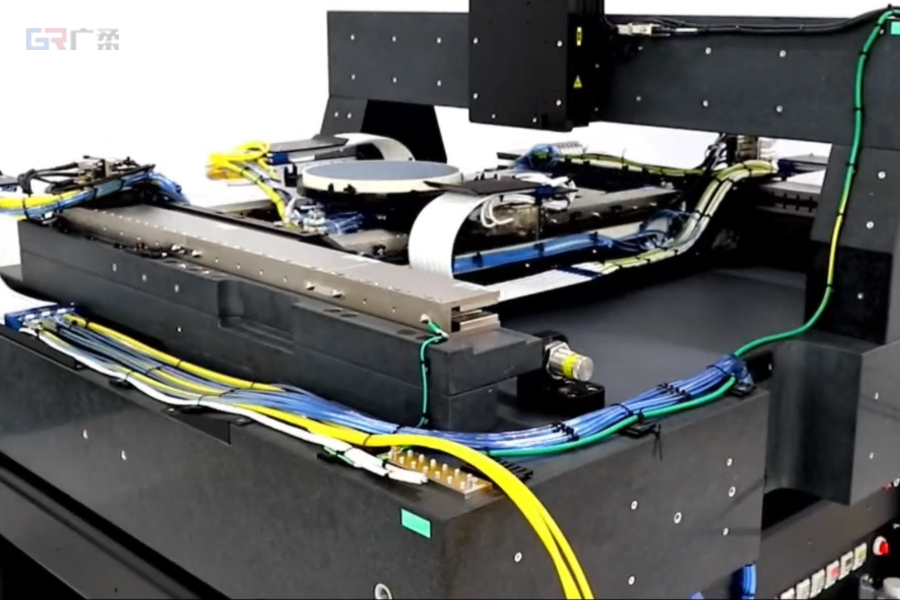
The Importance of Drag Chains in Protecting Cables and Hoses
Drag chains, also known as cable carriers, play a crucial role in safeguarding moving cables, hoses, and pipes from potential hazards in industrial settings. By providing a structured pathway, drag chains minimize wear and tear during equipment operation. They ensure that cables remain organized and free from tangling, which can lead to failures and downtime. Additionally, drag chains protect cables from external elements such as debris and abrasion that often occur in dynamic environments. The design of these carriers allows for smooth movement, reducing the risk of damage caused by friction or impact. Implementing effective drag chains not only enhances the reliability of cable systems but also contributes to overall operational efficiency within automation processes.
Key Factors Influencing the Durability of Cable Chains in Automation Systems
The durability of cable chains, particularly in automation systems, is influenced by several critical factors. First, the selection of appropriate cables to pair with your cleanroom drag chain is essential. Cables designed for flexibility and frequent movement are crucial to prevent wear and tear caused by bending and twisting. Second, proper installation practices cannot be overlooked. Over-tightening can stress the cables, while insufficient securing may lead to excessive slack that can cause tangling or damage during operation. Additionally, environmental considerations such as exposure to extreme temperatures or harsh chemicals can significantly impact cable longevity. Regular maintenance checks can also help identify potential issues early. “Investing in quality components and routine inspections can extend the lifespan of your systems,” notes an industry expert. By paying attention to these factors, operators can ensure enhanced performance and reliability of cable carriers in demanding industrial settings.
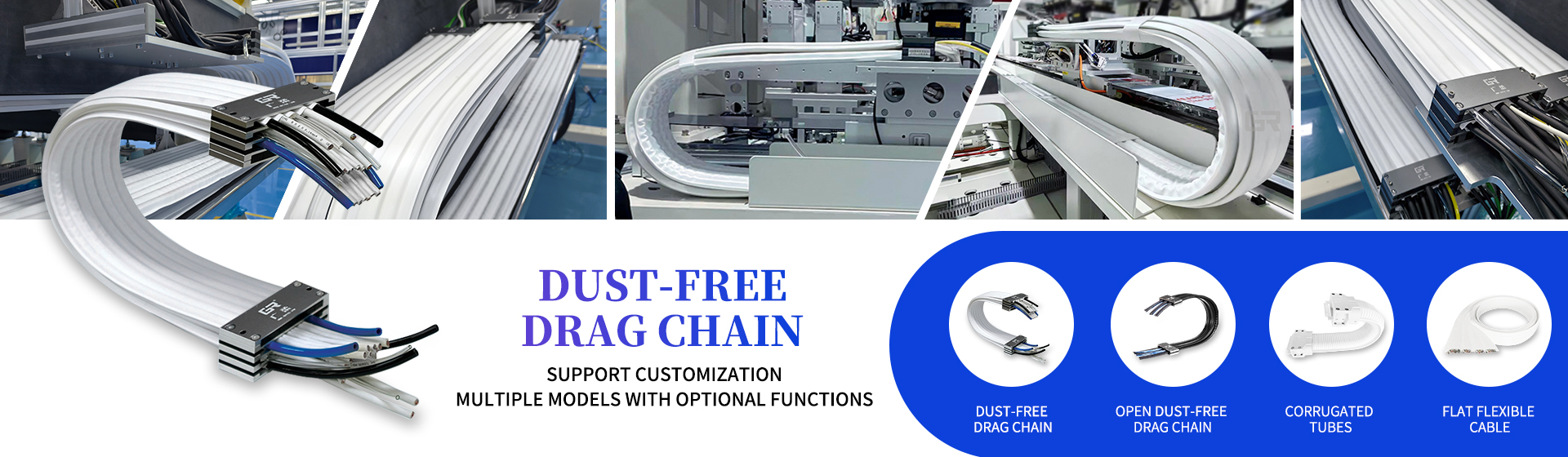
Best Practices for Installing Cable Carriers to Minimize Damage
To ensure the effective performance of cable carriers, proper installation practices are essential. Start by selecting the right type of drag chain manufacture that fits the specific requirements of your application. This includes assessing the dimensions and weight of the cables, as well as the radius and bending capabilities necessary for movement. During installation, avoid coiling cables tightly within the drag chain; instead, allow some slack to accommodate their natural motion. Secure cables without excessive force, as both tight and loose configurations can cause damage over time. Regularly inspect the installation for signs of wear or misalignment, ensuring that cables maintain their integrity. Additionally, using low-flex cables designed for dynamic applications will enhance durability and overall functionality within automation systems.
Conclusion
In summary, the implementation of drag chains in cable management is vital for the success of automation systems. These components not only protect cables and hoses from various forms of damage but also enhance operational reliability. Understanding the importance of material selection, installation practices, and ongoing maintenance helps ensure that drag chains perform optimally over time. By prioritizing these factors, manufacturers and operators can minimize downtime and extend the life span of their cable management systems. Continuous evaluation and adaptation to changing operational conditions further reinforce the effectiveness of drag chains, solidifying their role in efficient industrial automation.
FAQs
What are drag chains used for in industrial automation?
Drag chains, or cable carriers, are employed to manage and protect cables and hoses in dynamic environments, ensuring safe movement and minimizing wear.
How do I choose the right drag chain for my application?
Selecting the appropriate drag chain involves assessing the dimensions, weight of the cables, and the needed bending radius to accommodate specific operational conditions.
What maintenance is necessary for cable carriers?
Regular inspections for wear and misalignment are essential. Maintaining proper installation techniques can help prevent potential damage and ensure longevity.
Can drag chains be used in cleanroom environments?
Yes, specialized cleanroom drag chains can be used to minimize dust accumulation while protecting cable integrity in sensitive applications.
What factors affect the lifespan of cable chains?
Key factors include material quality, installation practices, environmental conditions, and regular maintenance checks that identify issues before they lead to failure.
Contact Guangrou for a clean room drag chain solution.