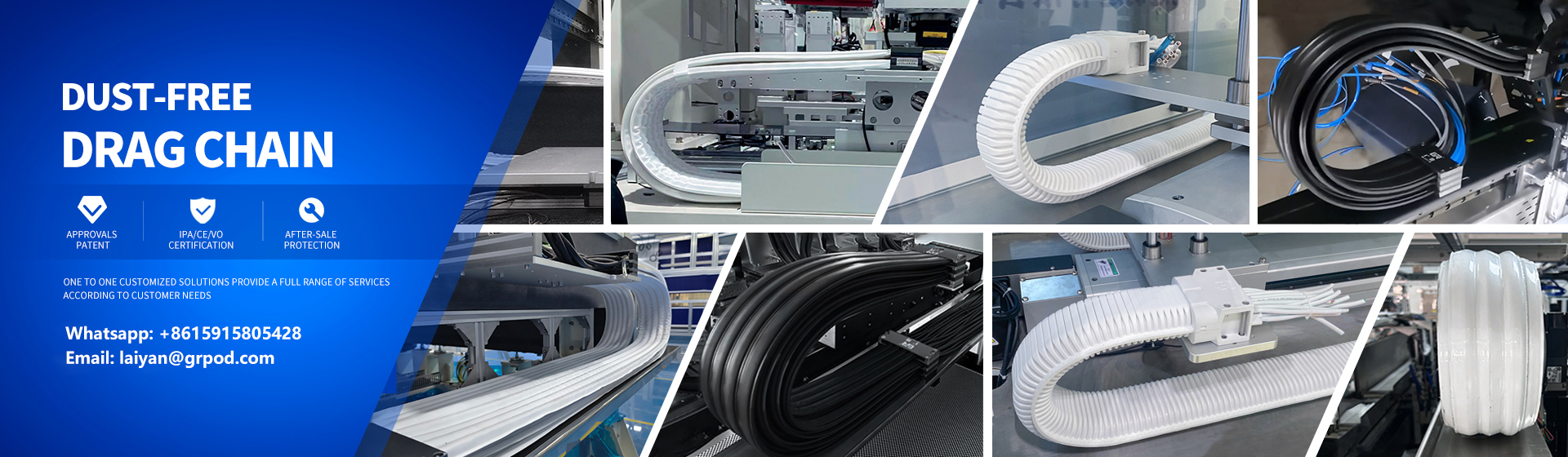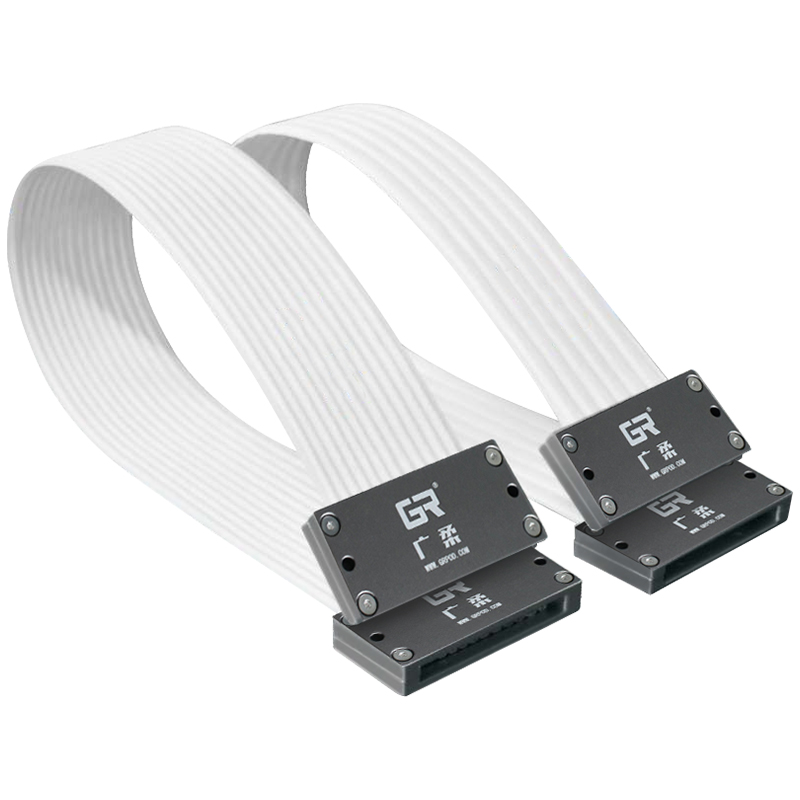
Cable carriers, or cable chains, are essential components in industrial automation, offering critical protection for cables and hoses while ensuring efficient operations. By effectively managing the movement and organization of these lines, they help to prevent wear and tear that could impair functionality. Understanding the importance of proper selection and installation practices contributes directly to maximizing their operational lifespan. Regular inspections can identify any signs of wear early on, allowing for timely maintenance that keeps production processes running smoothly. Additionally, investing in quality materials ensures durability against the rigors of continuous use in industrial environments, ultimately enhancing productivity and reducing costly downtimes.
Understanding the Role of Cable Chains in Industrial Automation
Cable chains, also known as cable carriers, are fundamental for ensuring the smooth operation of industrial automation systems. These systems rely on the proper management of cables, hoses, and pipes as they traverse dynamic environments. By effectively guiding and protecting these lines from wear and tear, cable chains significantly reduce the risk of failures that can lead to costly downtime. Ensuring that cables maintain flexibility is crucial; cables intended for constant movement must be properly rated to endure repetitive bending without degrading.
"Incorporating cable chains in your setup not only enhances safety but also improves overall productivity."
Proper installation practices are essential to maximize the benefits of cable carriers. This includes ensuring that cables are uncoiled correctly and that tension is maintained within acceptable limits. Attention to these details helps prevent installation errors that could compromise performance over time. By prioritizing quality materials and sound installation, businesses can expect improved longevity and reliability from their cable management systems.
The Importance of Cable Carriers for Efficient Operations in Manufacturing
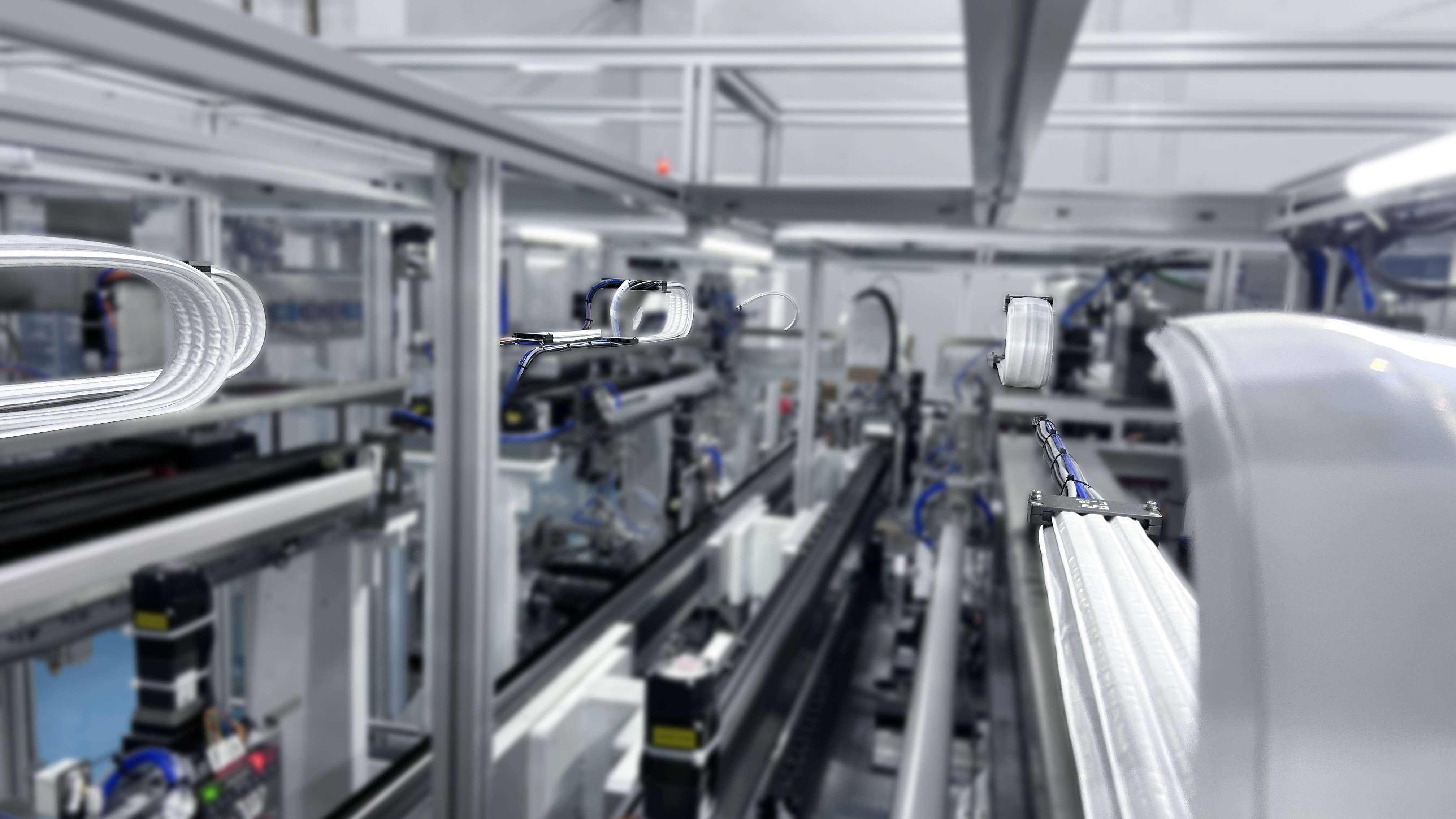
Cable carriers, including cleanroom drag chains, play a vital role in the manufacturing process by ensuring efficient movement of cables and hoses. These components provide a protective pathway that reduces cable wear and prevents damage caused by environmental factors. When properly designed and manufactured, such as those from reputable drag chain factories, cable carriers help to minimize downtime by maintaining consistent performance under the harsh conditions often found in industrial settings.
Proper installation practices are essential to maximize the benefits of cable carriers. Factors such as correct tension and positioning within the system significantly影响 their functionality and longevity. High-quality drag chain manufacture focuses on durability and flexibility, ensuring cables can bend without excessive strain. By adopting best practices for installation and maintenance, manufacturers can achieve higher efficiency levels while enhancing the lifespan of their equipment. The ability of a well-installed cable carrier to operate smoothly translates to increased productivity on the production floor.
| Key Benefits of Cable Carriers | Impact on Manufacturing |
|---|---|
| Protects against wear | Reduces downtime |
| Enhances cable life | Increases equipment efficiency |
| Simplifies maintenance | Lowers operational costs |
How High-Quality Cable Chains Enhance Cable Management and Durability
High-quality cable chains play a crucial role in ensuring effective cable management and prolonging the lifespan of cables in industrial settings. These sturdy carriers are designed to minimize the wear and tear that comes from continuous movement, reducing the risk of cable damage. Their construction often incorporates flexible materials that can withstand bending and twisting while maintaining integrity, thereby preventing common issues such as outer coating breakdown or conductor strain. Furthermore, incorporating features like segmented designs allows for optimal organization and accessibility of cables, which simplifies maintenance tasks and reduces potential downtime. Proper installation practices are essential to maximize these benefits; ensuring that cables are appropriately tensioned and uncoiled helps maintain the functionality of the drag chain while enhancing cable durability over time. By investing in high-quality cable chains and adhering to best installation methods, manufacturers can achieve greater efficiency and reliability in their operations.
Best Practices for Installing Cable Carriers to Maximize Longevity
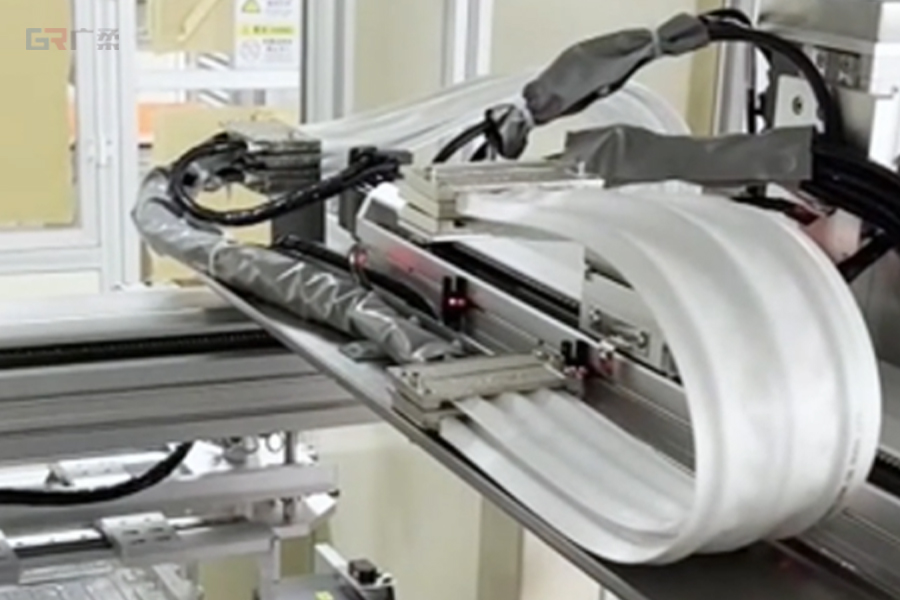
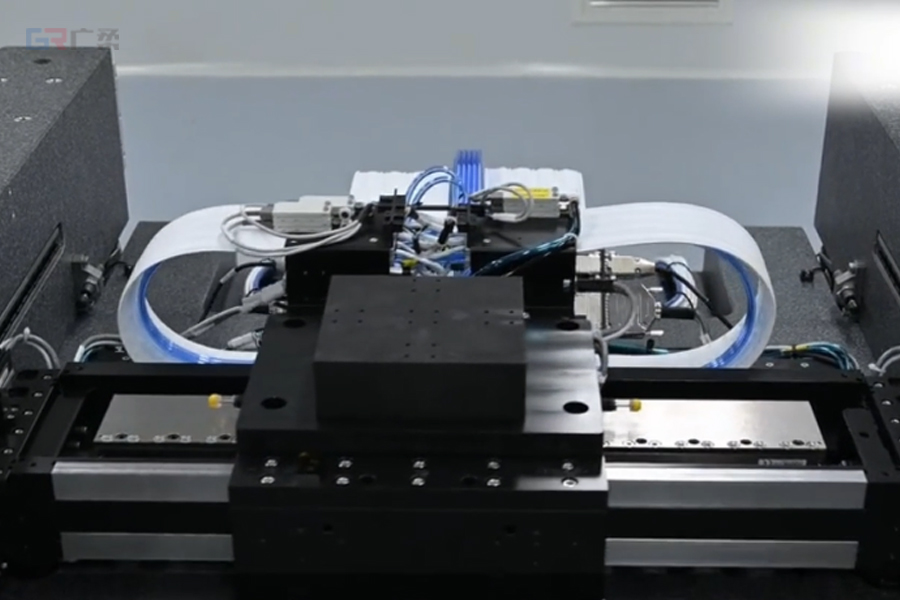
Proper installation is crucial for ensuring the longevity of cable carriers. First, always select the appropriate type of cable chain for your application. For environments with strict cleanliness standards, a cleanroom drag chain is an ideal choice. Correctly uncoiling the cable before placement helps prevent twists and kinks that can lead to premature wear. Achieving the right tension when securing cables is also vital; they should not be too tight or too loose, as this can cause fraying or stress on connectors. Additionally, maintain a clear path for movement to avoid unnecessary bends or sharp angles that could damage the cables over time. Regular inspection and maintenance of cable carriers can further enhance operational efficiency by identifying wear before it leads to failure. By adhering to these best practices, you can ensure optimal performance and extended service life of your cable management systems.
Conclusion
Incorporating cable carriers within industrial automation systems is essential for maintaining operational efficiency and ensuring safety. Their role in protecting cables and hoses from wear directly impacts the longevity of equipment and the reduction of costly downtimes. Proper installation and routine maintenance play a significant part in how effectively these systems function. As industries continue to evolve, the importance of reliable cable management solutions cannot be overstated. Implementing high-quality materials, along with adherence to best practices, is vital in achieving optimal performance and resilience in dynamic industrial environments. The strategic use of cable chains ultimately supports enhanced productivity and operational continuity across various manufacturing processes.
FAQs
What materials are commonly used in cable carriers?
Cable carriers are typically made from robust materials such as polymer or metal, which provide durability and flexibility to withstand continuous movement.
How can I tell if a cable carrier is installed correctly?
A properly installed cable carrier should allow for smooth movement of cables without any kinks or substantial tension, and cables should be well-organized without excessive bending.
What are the common signs of wear in cable chains?
Common signs include fraying or cracking of the cables, unusual noises during operation, and visible deformities in the cable chain itself.
How often should I inspect my cable management system?
It is recommended to inspect your cable management system regularly; ideally every few months, or more frequently in environments with high operational demands.
Can I install a cleanroom drag chain in a non-cleanroom environment?
While it's possible to install a cleanroom drag chain outside of cleanroom specifications, it may not be necessary unless cleanliness standards are required for specific processes.
Contact Guangrou for a clean room drag chain solution.