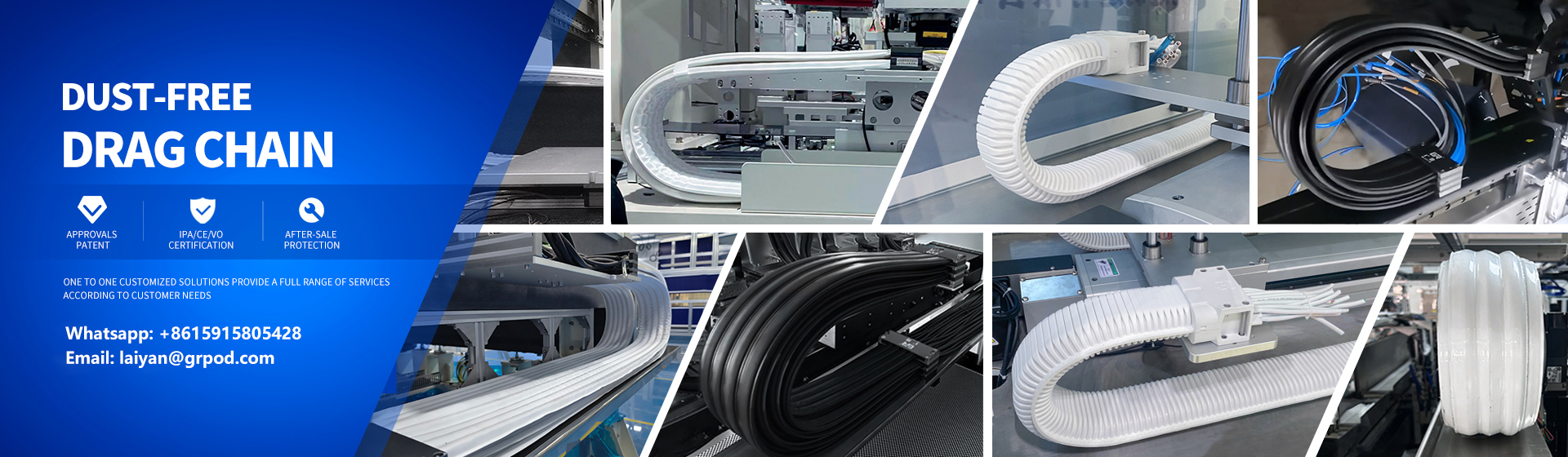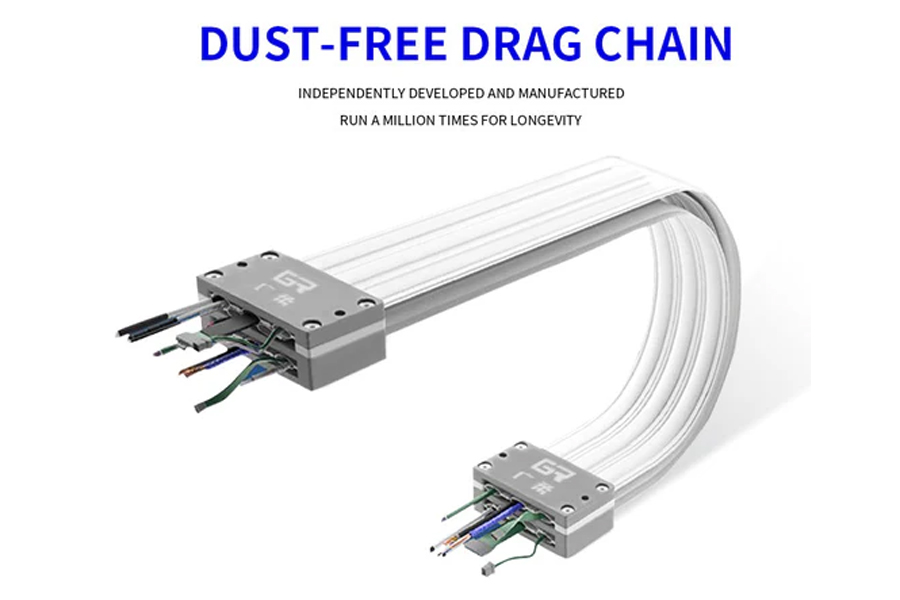
Cable carriers, or cable chains, are essential for enhancing efficiency in industrial automation systems. They provide important protection against wear and tear for moving cables and hoses, significantly reducing the risk of mechanical damage. One of the primary advantages is their ability to maintain proper cable organization, ensuring smooth operation even in dynamic environments. The choice of materials used in cable carriers plays a crucial role; advanced plastics and engineered composites improve durability and flexibility. Additionally, proper installation techniques are necessary to maximize their performance, enabling effective cable management and tension control. By adopting high-quality cable carriers, businesses can expect enhanced reliability and a reduction in maintenance needs over time.
Enhancing Industrial Automation Efficiency with Cable Carriers
Cable carriers, commonly referred to as cable chains, play a significant role in boosting the efficiency of industrial automation systems. By providing reliable protection for cables and hoses, these carriers prevent wear and tear that can result from constant movement in dynamic environments. One of the key benefits of cable carriers lies in their ability to minimize cable damage due to mechanical stresses. For instance, using a properly designed cable carrier can reduce the risks associated with tensile and compressive forces that lead to failures in low-flex cables.
Furthermore, the installation process is critical; correct uncoiling and tension management ensure optimal performance. The latest advancements in cable carrier technology yield products made from high-engineered plastics, which offer increased durability and resistance to environmental factors. These innovations not only prolong cable life but also enhance overall system reliability, supporting continuous operation even under challenging conditions.
| Benefit | Description |
|---|---|
| Protection | Shields cables from abrasions and mechanical stress |
| Enhanced Durability | Advanced materials improve longevity |
| Increased Reliability | Reduces downtime by minimizing failures |
| Installation Versatility | Adapts to various applications for better functionality |
Durability and Protection: Essential Benefits of Cable Chains
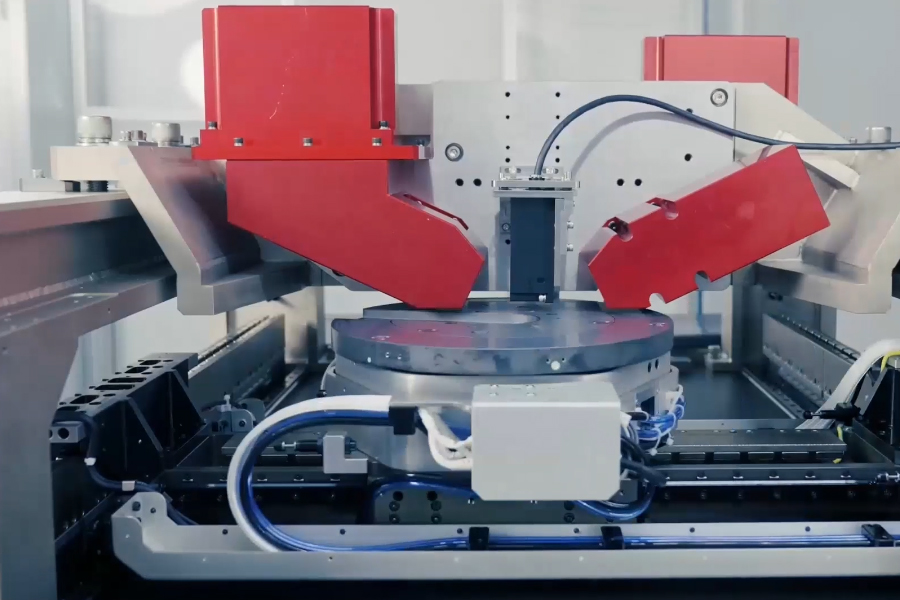
Cable chains, also known as drag chains, play a crucial role in providing durability and protection for cables in industrial automation settings. These systems help manage the movement of wires and hoses, safeguarding them from damage caused by mechanical stress. A key advantage is the enhanced flexibility offered by advanced materials used in manufacturing. For instance, the cleanroom drag chain is specifically designed to withstand rigorous conditions while ensuring optimal performance.
Properly choosing a drag chain from a reliable drag chain factory can greatly influence the longevity of your installation. When selecting a cable carrier, consider options that offer superior abrasion resistance and stability. This consideration not only enhances functionality but also reduces maintenance needs.
"Investing in quality cable chains means fewer downtimes and longer operational life for your cables."
Furthermore, effective installation practices tailored to flexible systems can further enhance the protective benefits these chains provide, making them essential components in modern industrial applications. In sum, utilizing well-designed cable carriers contributes significantly to minimizing potential failures and ensuring seamless automation processes.
Maximizing Cable Longevity in Dynamic Environments through Cable Carriers
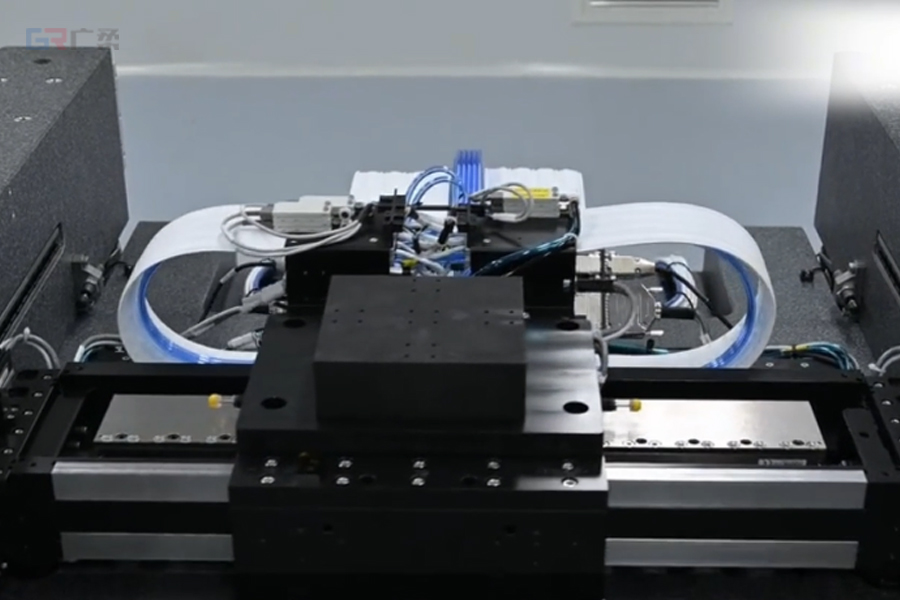
To enhance cable longevity in dynamic environments, the use of cleanroom drag chains is essential. These cable carriers safeguard moving cables from wear and tear while ensuring smooth operation. When properly installed, they minimize mechanical stress on cables, leading to reduced risk of damage. The choice of materials is also crucial; high-quality drag chain manufacture employs durable plastics designed to withstand repetitive movement. Furthermore, selecting cables suitable for flexible use prevents issues associated with low-flex cables. By investing in advanced systems from a reputable drag chain factory, businesses can not only protect their infrastructure but also optimize performance and efficiency within their automation processes.
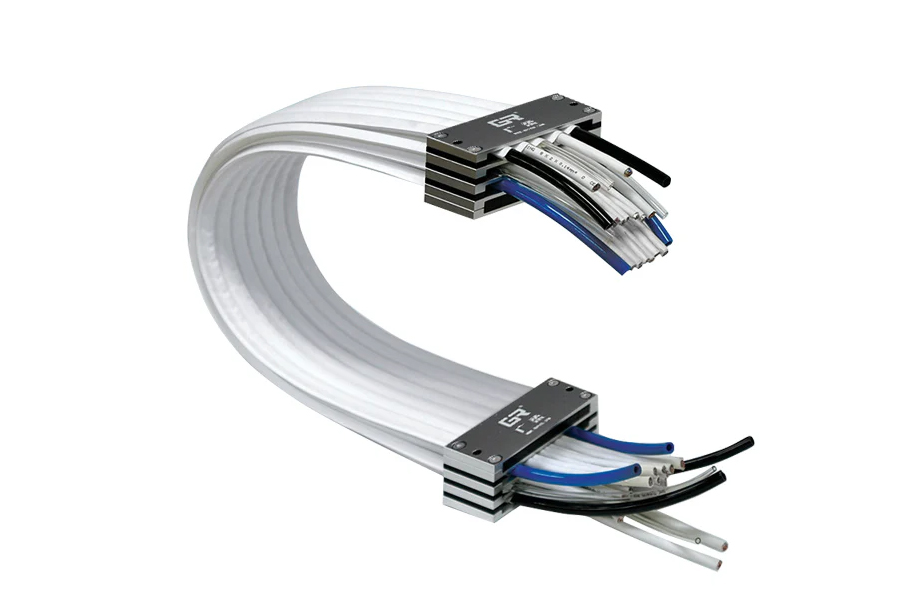
Optimal Performance Solutions: The Role of Drag Chains in Industrial Applications
Drag chains play a pivotal role in various industrial settings by managing and safeguarding cables as they move. Designed to minimize wear and tear, these cable carriers ensure that cables remain organized and functional even under continuous motion. The structural integrity of drag chains allows them to withstand mechanical stresses that would typically lead to cable failure. Properly installed cable carriers can significantly reduce the risk of installation errors, such as excessive bending or tension mismanagement. This level of protection not only prolongs the lifespan of cables but also enhances overall system reliability. In fast-paced environments, implementing the right drag chain solutions fosters smoother operations and minimizes costly downtimes associated with cable replacements or repairs. As such, choosing high-quality drag chains tailored for specific applications is essential for achieving optimal performance in automation systems.
Conclusion
In conclusion, the integration of cable carriers, or cable chains, significantly enhances operational efficiency in industrial automation. These systems not only protect cables from damage caused by mechanical movements but also contribute to prolonging their lifespan. The use of high-quality materials in the manufacturing of drag chains provides improved durability and flexibility, essential for dynamic environments. Additionally, careful installation and selection of appropriate systems are crucial in maximizing performance and minimizing potential failures. Ultimately, adopting efficient cable carrier solutions leads to reduced maintenance requirements and increased reliability within automation processes, ensuring smooth and uninterrupted operations in various industrial applications.
FAQs
What are cable carriers and how do they benefit industrial automation?
Cable carriers, also known as cable chains, are systems designed to protect and manage the movement of cables and hoses in automated environments. They help prevent wear and tear, enhance cable longevity, and minimize the risk of mechanical stress on cables.
How do drag chains improve cable durability?
Drag chains improve cable durability by providing a protective pathway that reduces exposure to potential damage from abrasive surfaces or sharp edges. They are constructed from advanced materials that enhance their resilience against repetitive bending and movement.
What should be considered when selecting a cable carrier?
When selecting a cable carrier, consider factors such as material composition, weight capacity, and installation requirements. Choosing high-quality products designed for specific applications is crucial to ensure optimal performance.
How can proper installation enhance the performance of cable carriers?
Proper installation is essential as it ensures that the cables are organized correctly and that tensions are managed effectively. This minimizes risks associated with excessive bending or misalignment that can lead to premature failure.
Are there maintenance requirements for drag chains?
While drag chains typically require minimal maintenance, periodic inspections for wear and tear are recommended. Ensuring that they remain clean and properly lubricated can further prolong their lifespan and maintain their efficiency.
Contact Guangrou for a clean room drag chain solution.