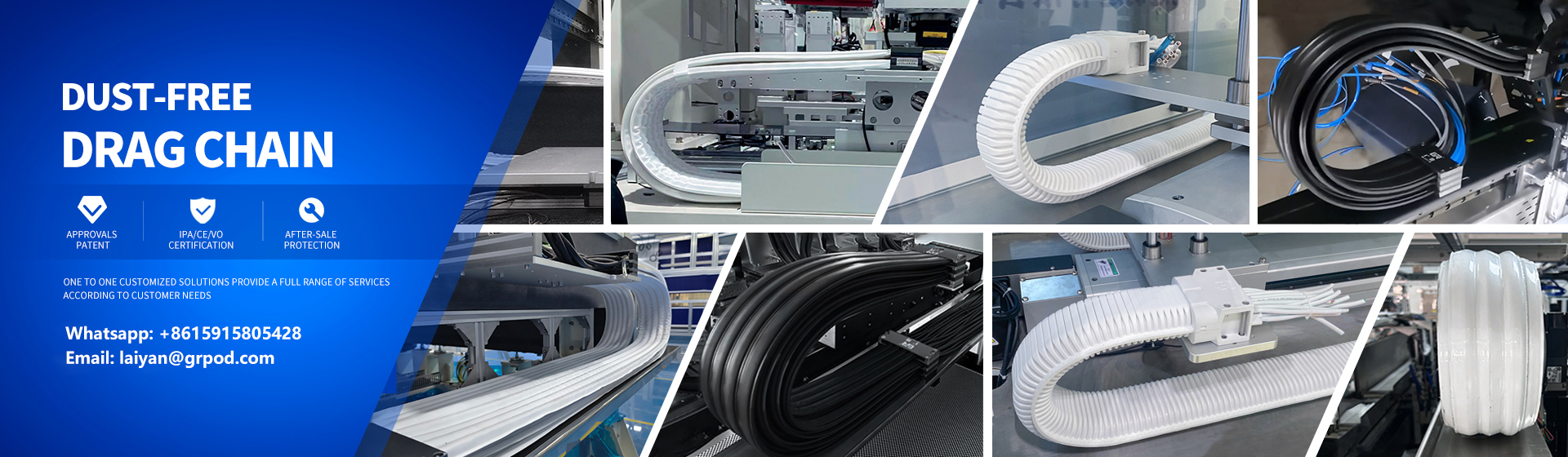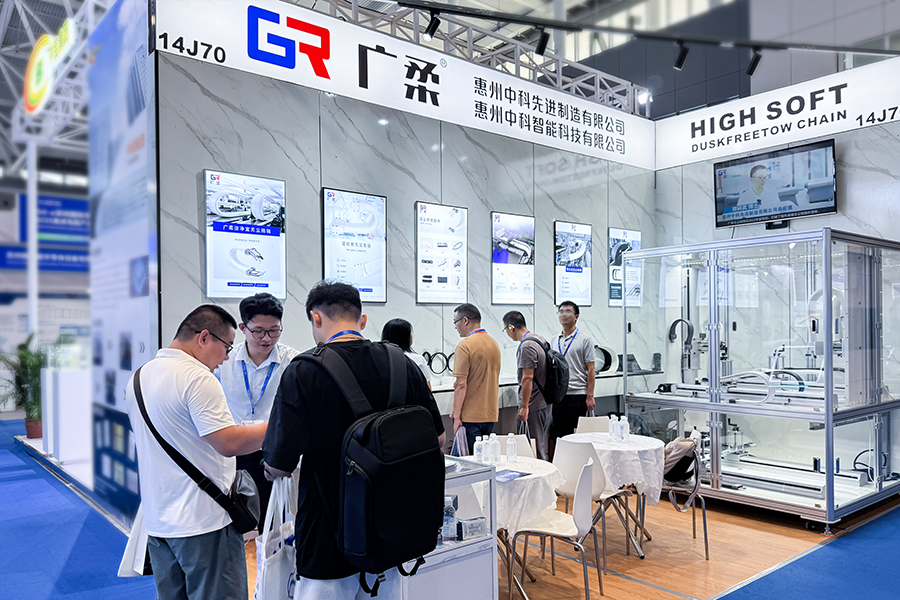
The evolution of cable carrier and chain technology is pivotal in enhancing operational performance within industrial automation. Modern cable carriers have introduced improved designs that increase durability and reduce wear on cables, effectively minimizing potential downtimes. Furthermore, with advanced materials used in their construction, these systems are better equipped to withstand harsh industrial environments and continuous motion. Flexible configurations allow adaptability to various setups, which is crucial for optimizing space within operational frameworks. As industries continue to innovate, the implementation of these advanced cable management solutions not only protects valuable equipment but also ensures consistent operational flow, making a significant difference in productivity levels across different applications.
Innovative Designs in Cable Carriers for Improved Performance in Automation
Recent advancements in cable carrier designs, particularly in cleanroom environments, focus on enhancing performance and durability for industrial automation. Manufacturers are now leveraging high-quality materials and innovative engineering techniques to craft cable carriers that withstand rigorous demands. For instance, cleanroom drag chains are meticulously designed to ensure reliability while minimizing contamination risks in sensitive applications. The thoughtful integration of flexible designs allows these cable carriers to manage complex routing while reducing wear on cables, thus extending their lifespan. In drag chain factories, continual testing and improvement processes contribute to the creation of solutions that provide better resistance against abrasion and mechanical stress. These innovations not only boost operational efficiency but also protect investments in valuable equipment by reducing the frequency of cable failures.
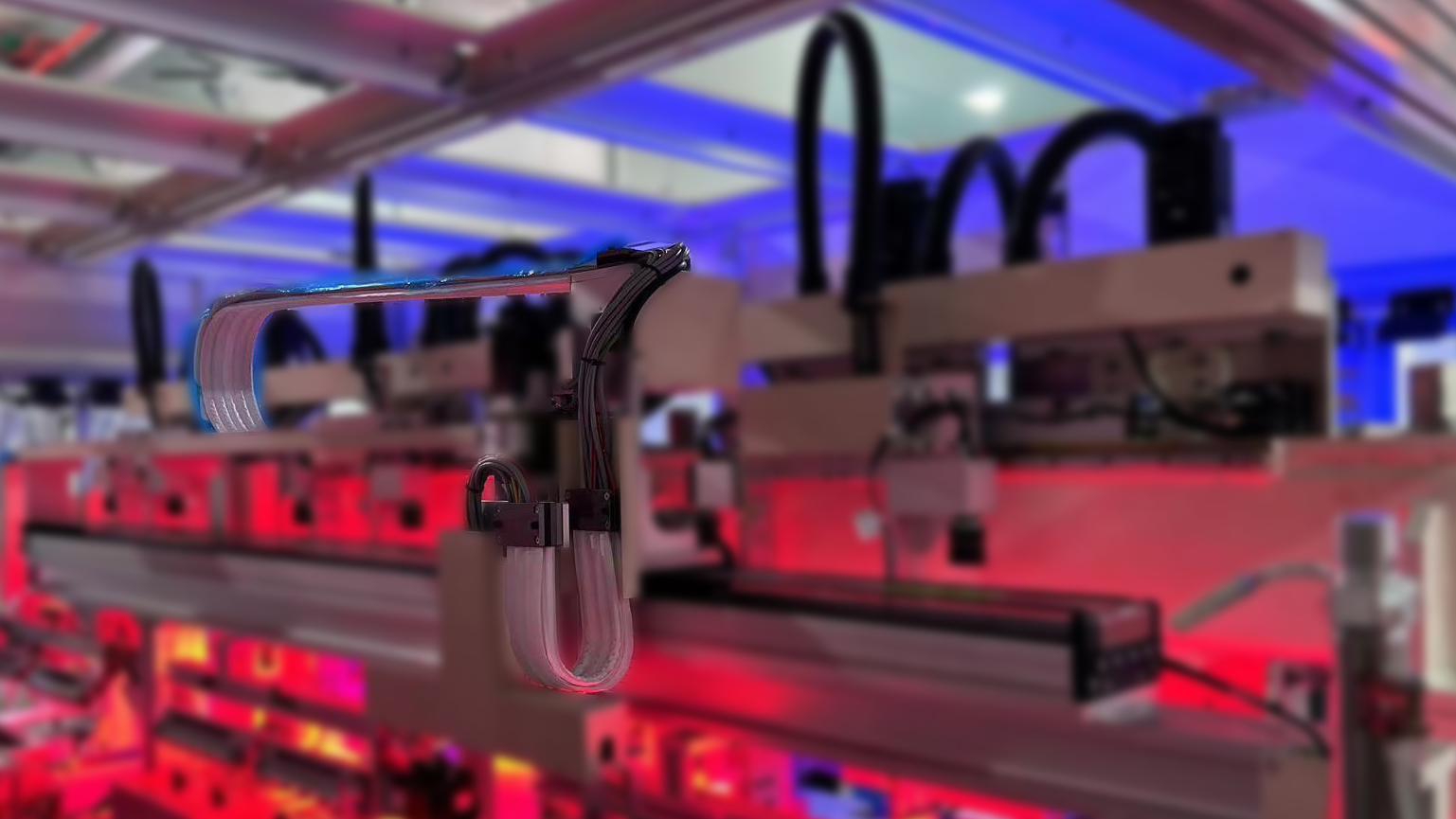
Enhancing Reliability: Search for Advanced Cable Chain Solutions in Industrial Applications
In industrial applications, the reliability of cable management systems is crucial for maintaining operational efficiency. Advanced cable chain solutions, such as those produced by a reputable drag chain factory, offer significant improvements in durability and performance. These systems are engineered to withstand harsh environments and continuous motion, minimizing wear and tear on cables. Innovative designs incorporate features like reinforced bends and optimized routing paths, which help to prevent cable failure caused by excessive flexing or stress. Additionally, the use of high-quality materials in their construction ensures longevity and resilience against external factors such as temperature fluctuations and chemical exposure.
| Feature | Benefits |
|---|---|
| Reinforced bends | Reduces strain on cables |
| Optimized routing | Minimizes friction and wear |
| Durable materials | Extends lifespan of cable systems |
| Flexible configurations | Adapts to various industrial setups |
By investing in advanced cable chain solutions, businesses can safeguard their operations against potential failures while ensuring that their automation processes run smoothly.
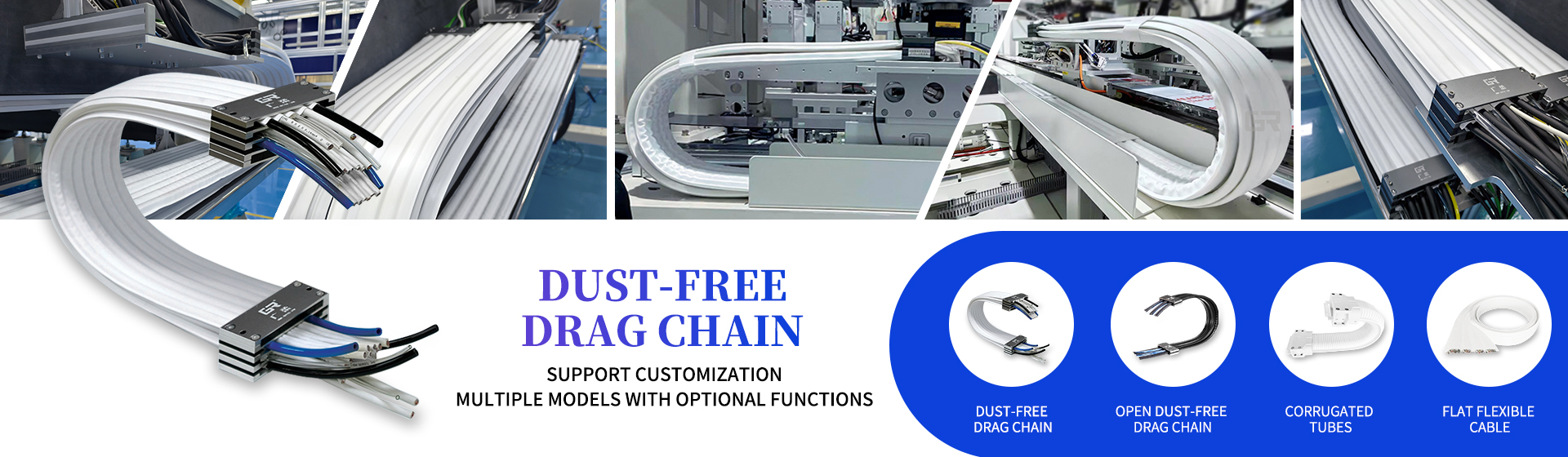
Revolutionizing Cable Management: Durable Cable Carrier Innovations for the Future
The advancements in cable carrier technology have led to significant improvements in their design and material composition. Modern cable carriers are crafted from high-engineered plastics, offering enhanced flexibility and resistance to wear. These innovations not only minimize the risk of cable failure but also ensure longevity in challenging environments. A key feature is the ability of these carriers to manage bending and rolling motions effectively, which can often lead to conductor breakage.
"Investing in durable cable carriers can significantly reduce operational downtime, allowing for smoother workflow in automation processes."
Moreover, attention to installation quality is crucial. Properly installed carriers—avoiding common errors such as excessive tension—will further extend the functional life of cables. This focus on meticulous installation combined with cutting-edge design ensures that industrial automation systems remain reliable and efficient under rigorous conditions, paving the way for future advancements in cable management solutions.
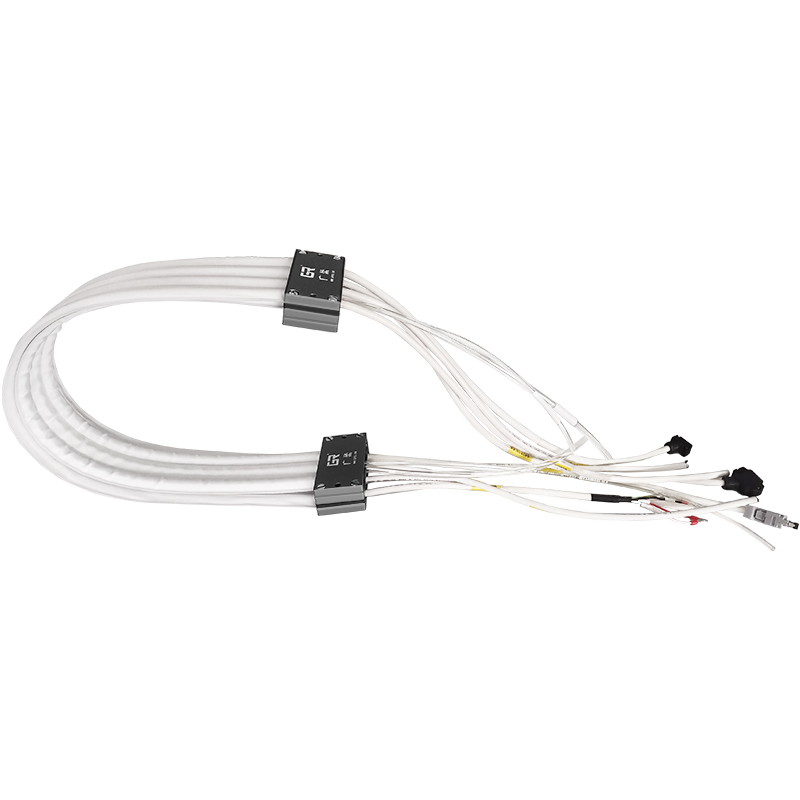
Maximizing Efficiency: The Role of Cable Chains in Safeguarding Industrial Operations
Cable chains, also known as drag chains, are essential for protecting cables and hoses in dynamic environments. Their design enables smooth movement, preventing potential wear and tear caused by bending or rolling. One of the key features of modern cable carriers is their ability to accommodate high flex cables specifically engineered for prolonged movement. When selecting a drag chain manufacture, emphasizing durability and flexibility is vital to ensuring the long-term efficiency of industrial operations. Quality cable chains are tested rigorously to withstand significant stress levels, thus minimizing downtime and enhancing operational reliability. Moreover, proper installation procedures are crucial in maximizing their effectiveness, as mismanagement may lead to cable failure due to tension imbalances. By investing in advanced cable chain solutions, industries can significantly improve productivity while safeguarding critical operational assets.
Conclusion
The ongoing evolution in cable carrier technology underscores its critical role in enhancing the efficiency and reliability of industrial automation. As businesses increasingly rely on automated systems, the integration of advanced cable carriers and chains becomes essential. These solutions not only provide superior protection for cables but also address the challenges posed by dynamic work environments. By adopting innovative designs that prioritize durability and flexibility, industries can ensure that their automation processes remain uninterrupted. Moreover, a focus on quality installation and material selection further reinforces the longevity of these systems, ultimately leading to reduced maintenance costs and improved operational performance. The commitment to advancing cable management technologies is vital for fostering a robust industrial automation landscape.
FAQs
What materials are commonly used in modern cable carriers?
Modern cable carriers are typically made from high-engineered plastics, which provide enhanced flexibility and durability to withstand demanding environments.
How do cable chains prevent wear and tear on cables?
Cable chains are designed to allow smooth movement, which minimizes bending and rolling actions that can cause damage or excessive wear on cables.
What should be considered when choosing a drag chain manufacturer?
It is essential to prioritize options that emphasize durability and flexibility, as well as rigorous testing against stress levels to ensure long-term operational reliability.
Why is proper installation critical for cable carriers?
Proper installation helps avoid common issues such as excessive tension, which can lead to premature cable failure. Ensuring installation quality directly influences the functional lifespan of cable systems.
How do advanced designs enhance the performance of cable management systems?
Advanced designs feature reinforced bends and optimized routing paths that help reduce strain on cables, thereby enhancing durability and performance in dynamic industrial settings.
Contact Guangrou for a clean room drag chain solution.