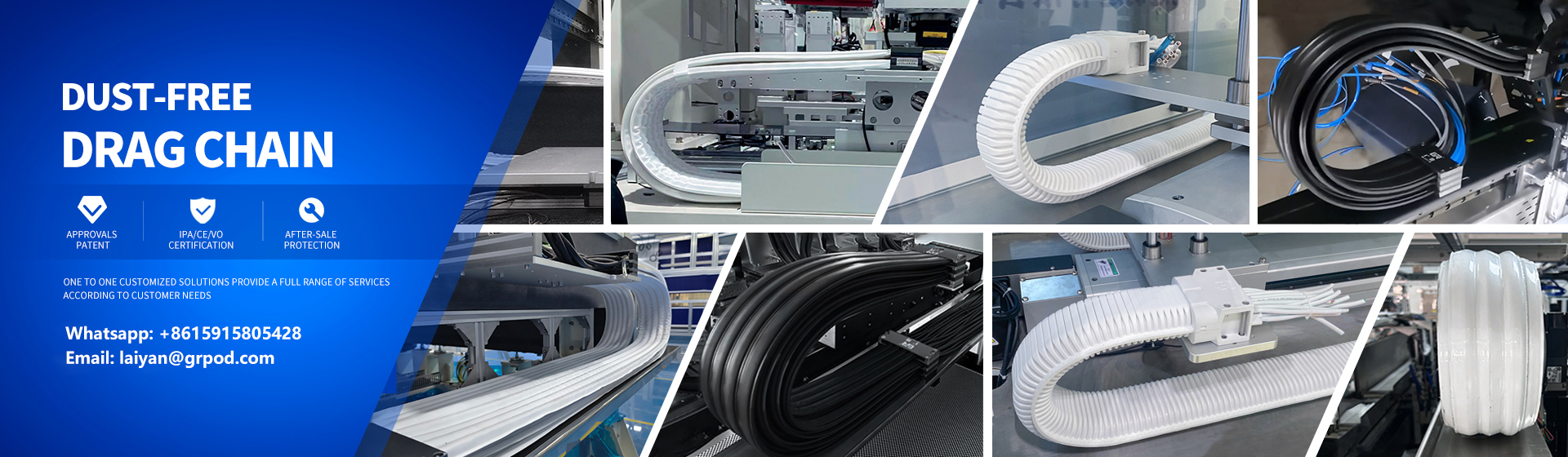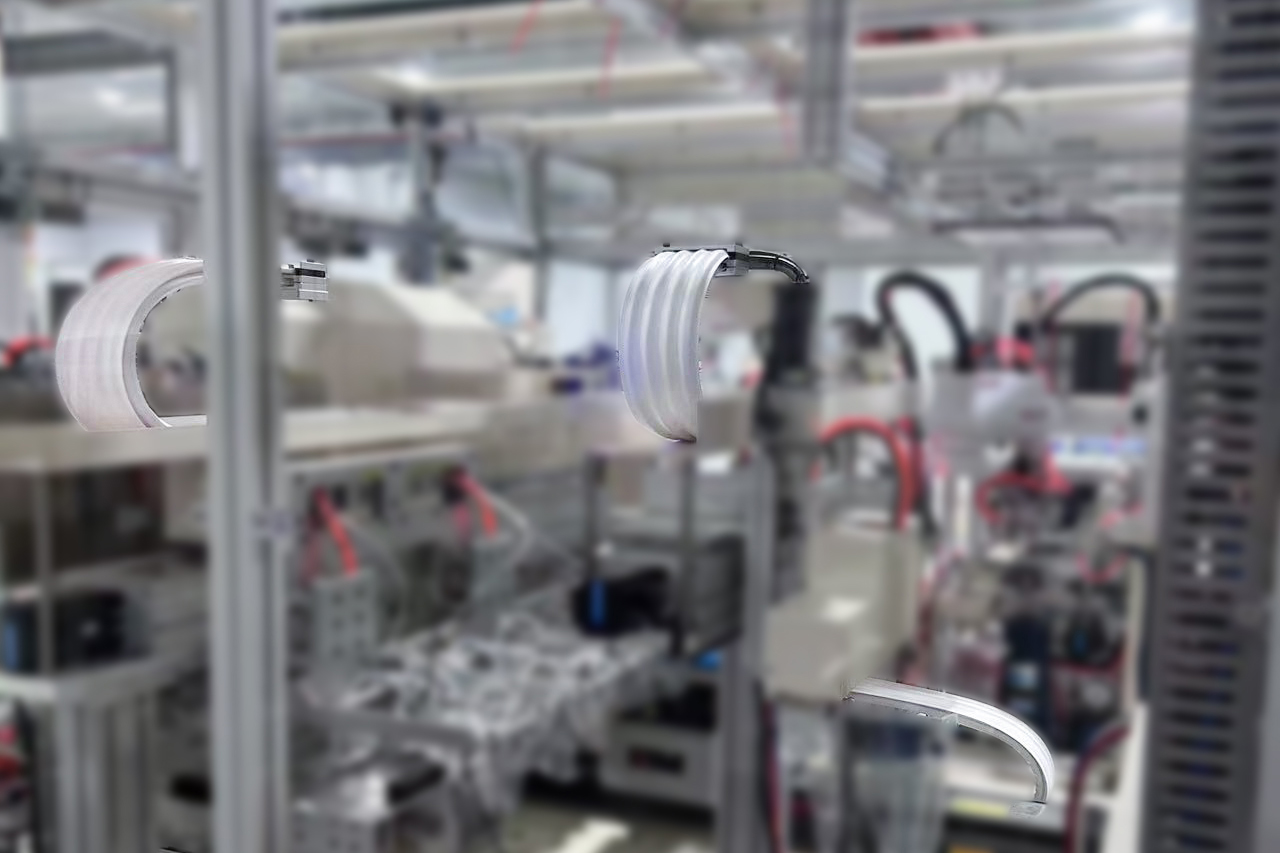
When considering drag chains for cleanroom cable systems, it’s essential to appreciate their role in enhancing both cleanliness and operational efficiency. Drag chains are meticulously designed to mitigate the risk of contamination by securing cables and hoses, thus preventing them from contacting surfaces that may introduce particles. Their construction generally adheres to strict industry standards to enhance performance in sensitive environments. Additionally, the choice of materials plays a crucial role in ensuring that these carriers exhibit properties like abrasion resistance and anti-static characteristics. These features are vital for protecting delicate equipment against wear and electrostatic discharge. Understanding these factors allows for better selection and implementation of drag chains tailored to specific cleanroom requirements, contributing to a reliable cable management solution that supports sensitive automation processes effectively.
Understanding Drag Chains in Cleanroom Cable Systems
Drag chains, often referred to as cable carriers, play a pivotal role in maintaining the integrity of cable systems within cleanroom environments. Their primary function is to safeguard cables and hoses from potential damage during movement, thus ensuring uninterrupted operation. The construction of these drag chains adheres to stringent cleanliness standards that help minimize particle generation and contamination risk. With features such as abrasion resistance and anti-static properties, they provide an effective barrier against common pollutants found in industrial settings. Moreover, the openable design not only facilitates easy assembly but also allows for straightforward maintenance and upgrades without significant operational downtime. In applications where precision and cleanliness are paramount, selecting the right drag chain significantly enhances performance and reliability of the entire cable management system.
The Importance of Drag Chains for Cleanroom Environments
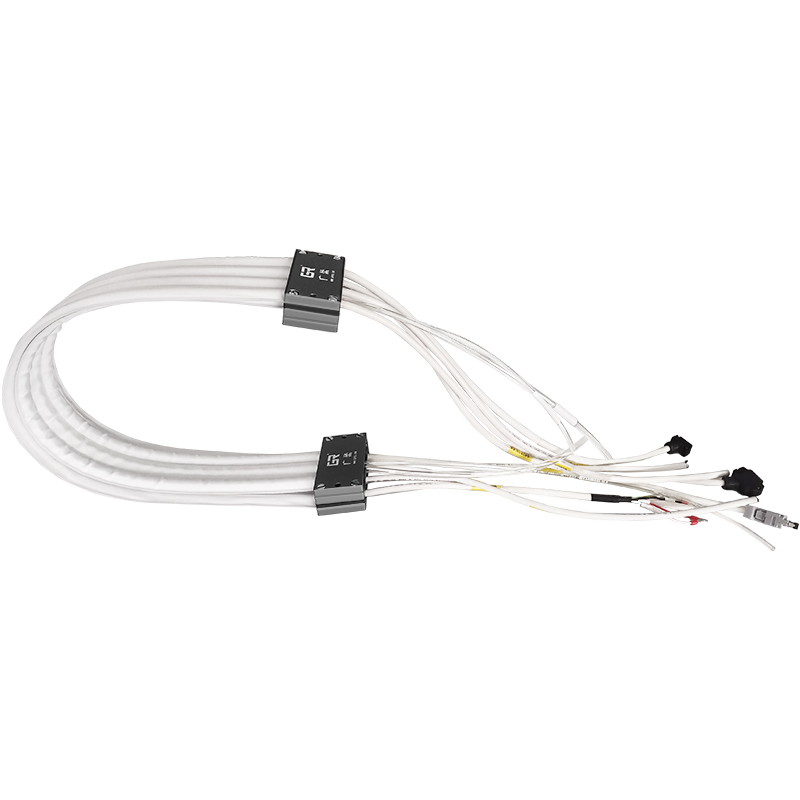
Cleanroom environments require stringent measures to control contamination, making the use of a cleanroom drag chain essential in cable systems. These drag chains are designed to offer sturdy support while safeguarding cables and hoses from environmental hazards. In a drag chain factory, careful attention is placed on materials and construction methods to ensure compliance with cleanliness standards. The anti-static properties further reduce the risk of electrostatic discharge, which can compromise sensitive equipment. Selecting a reputable drag chain manufacturer guarantees the reliability and performance necessary for critical applications. Proper installation and maintenance of drag chains contribute significantly to operational efficiency within cleanroom settings, reinforcing their role in maintaining product integrity.
“Choosing the right cleanroom drag chain can enhance your system's reliability while minimizing maintenance issues.”
Key Features and Benefits of Cleanroom Cable Carriers
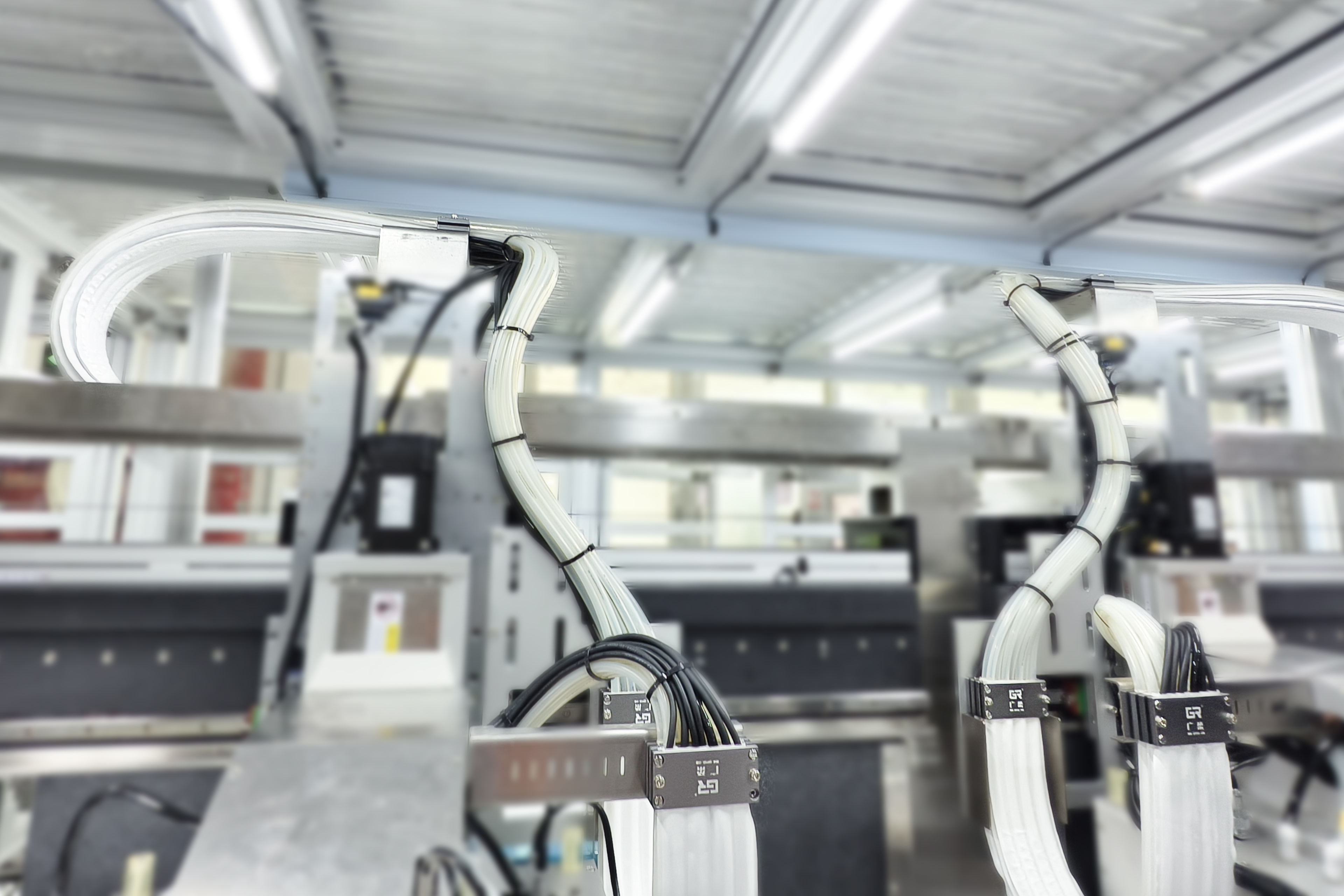
Cleanroom drag chains play a critical role in the effective management of cable systems within sensitive environments. These carriers are designed to meet stringent cleanliness standards, ensuring minimal particle generation. Their abrasion-resistant surfaces mitigate wear from constant movement, which extends the lifespan of both the drag chain and the cables housed within. Furthermore, these systems offer outstanding oil and chemical resistance, making them suitable for various manufacturing applications without compromising integrity. The anti-static properties of cleanroom drag chains significantly reduce the risk of electrostatic discharge, safeguarding delicate components from potential damage. Additionally, their openable designs simplify maintenance procedures and enhance operational efficiency by allowing easy access for upgrades or repairs. Overall, using cleanroom cable carriers ensures a reliable solution that promotes both cleanliness and functionality in automation setups.
Guidelines for Selecting Drag Chains in Sensitive Automation Applications
When selecting drag chains for cleanroom applications, several key factors should be considered to ensure optimal performance and compliance with cleanliness standards. First, assess the cleanroom classification requirements, as different classes may impose varying restrictions on materials and particle generation. Next, evaluate the dimensions of the cable bundles that will be housed within the drag chain; the chain must accommodate these sizes without causing excessive strain. Additionally, consider load expectations to ensure that the drag chain can support the weight and motion without degradation or failure over time.
Chemical exposure is another critical element; ensure that the materials used in the drag chain can withstand potential contact with oils and other substances common in automation processes. It's also important to factor in static dissipation needs, particularly in environments sensitive to electrostatic discharge, which could harm sensitive components. Lastly, assess maintenance access; a design that allows for easy assembly and servicing minimizes downtime and enhances operational efficiency. By addressing these criteria, organizations can select a drag chain that effectively supports their cleanroom operations while maintaining high standards of cleanliness and reliability.
Conclusion
In the context of cleanroom environments, the selection and implementation of drag chains significantly influence operational effectiveness. Their design ensures that cables and hoses are secured, minimizing the risk of contamination during motion. The importance of adhering to cleanliness standards cannot be overstated, as these chains contribute to maintaining a controlled environment essential for sensitive applications. The features inherent to drag chains, such as abrasion resistance and anti-static properties, enhance their functionality and reliability. Moreover, selecting an appropriate product tailored to specific cleanroom requirements ensures that organizations can achieve both safety and performance while safeguarding their investments in technology and infrastructure. Ultimately, a well-chosen drag chain serves as a critical component in upholding the integrity of cleanroom automation processes.
FAQs
What materials are cleanroom drag chains made from?
Cleanroom drag chains are typically constructed from high-grade plastics or metals that comply with cleanliness standards, ensuring minimal particle generation.
How do drag chains contribute to cleanliness in a cleanroom?
These chains prevent cables and hoses from contacting contaminated surfaces, thus reducing the risk of contamination during movement.
What is the importance of anti-static properties in drag chains?
Anti-static properties are crucial as they mitigate the chances of electrostatic discharge, which can harm sensitive electronic components in cleanroom environments.
Can drag chains be customized for different applications?
Yes, many manufacturers offer customization options based on specific dimensions, load capacities, and environmental conditions to meet various operational needs.
How often should drag chains be maintained?
Regular maintenance checks are recommended, with frequency depending on usage patterns and environmental factors. Proper maintenance ensures optimal performance and longevity.
Contact Guangrou for a clean room drag chain solution.