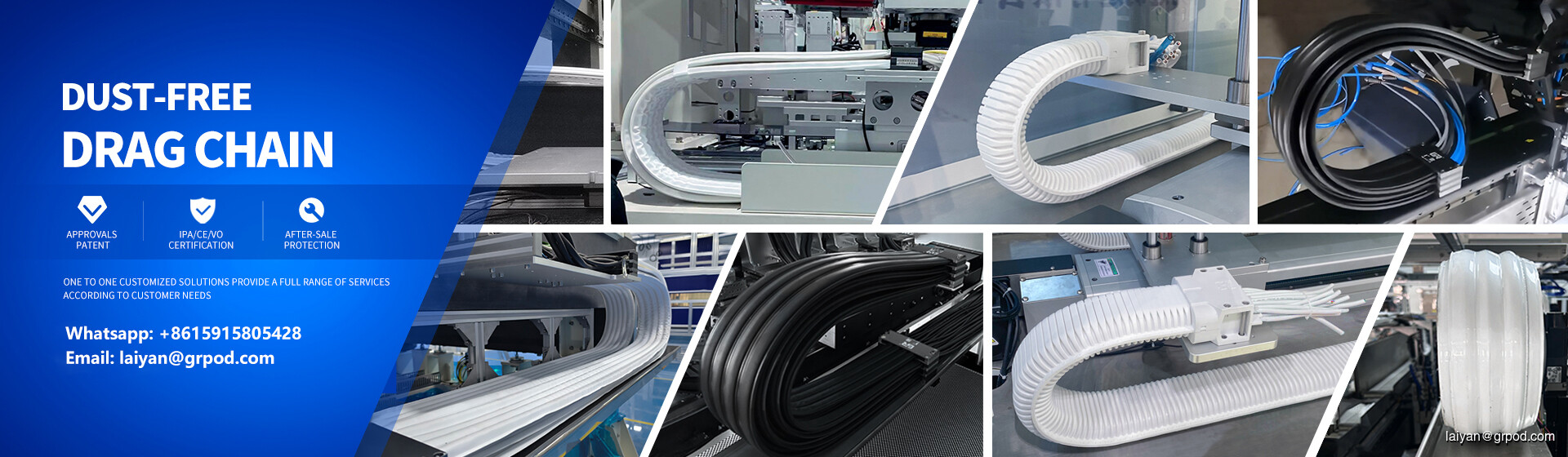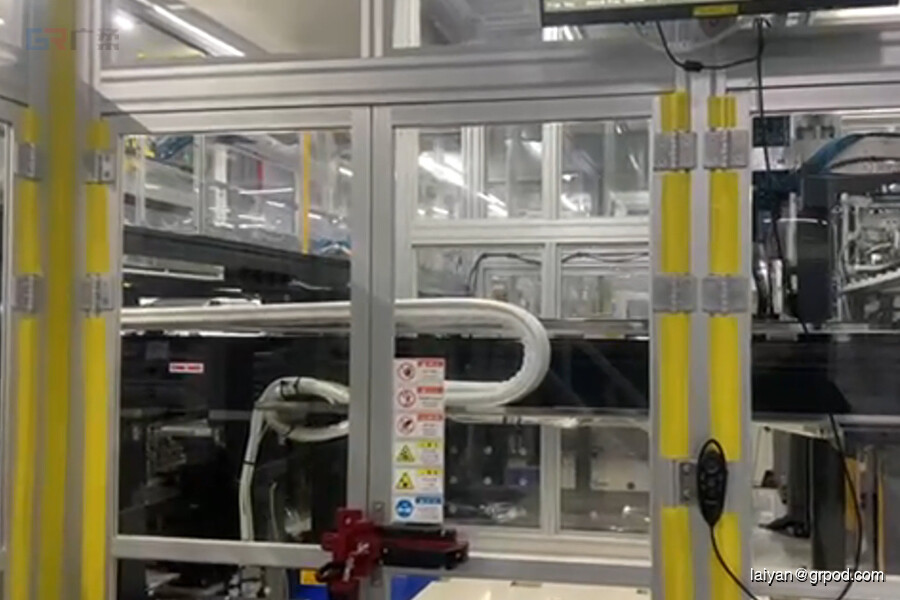
In cleanroom environments, precision in selecting drag chains is essential for effective operations. Evaluating cleanroom classifications ensures compliance with specific cleanliness standards crucial for various industries. Additionally, understanding the physical parameters of cables, such as size and bend radius, enhances system performance by preventing wear and ensuring smooth movement. It's also vital to consider the load capacity to avoid potential strain on the drag chain, ensuring it operates within safe limits. Chemical compatibility is necessary to protect components from industrial exposure, while anti-static properties can mitigate risks associated with electrostatic discharge. Regular assessments of maintenance accessibility will allow for efficient service and upkeep, contributing to long-term operational reliability. Balancing these factors effectively improves overall workflow and upholds safety and quality standards in automated environments.
Optimizing Cleanroom Moving Systems for Enhanced Automation
In the context of cleanroom moving systems, optimizing drag chain performance is crucial to ensuring seamless operations. Effective drag chains are designed to provide not only mechanical protection for cables and hoses but also maintain the integrity of cleanliness standards essential in controlled environments. By employing materials that limit particle shedding and resist common contaminants, these systems can significantly reduce the risk of contamination and enhance overall operational reliability.
For optimal performance, consider the following factors while deploying cleanroom moving systems:
| Factor | Consideration |
|---|---|
| Cleanroom Class | Ensure compliance with specific ISO standards for your setting |
| Bend Radius | Select suitable drag chains based on cable sizes and bend radii |
| Load Capacity | Assess the expected load to avoid stress on the system |
| Chemical Compatibility | Choose materials resistant to potential chemical exposure |
| Static Control | Implement anti-static solutions to protect sensitive equipment |
| Maintenance Accessibility | Design systems for easy installation and access |
"Efficient cleanroom moving systems contribute to a more controlled environment, ultimately safeguarding product quality."
Implementing these considerations can lead to more efficient automation processes while maintaining high cleanliness standards in various applications, from semiconductor manufacturing to pharmaceutical production.
Integrating Clean Room Total Harness Systems for Maximum Efficiency
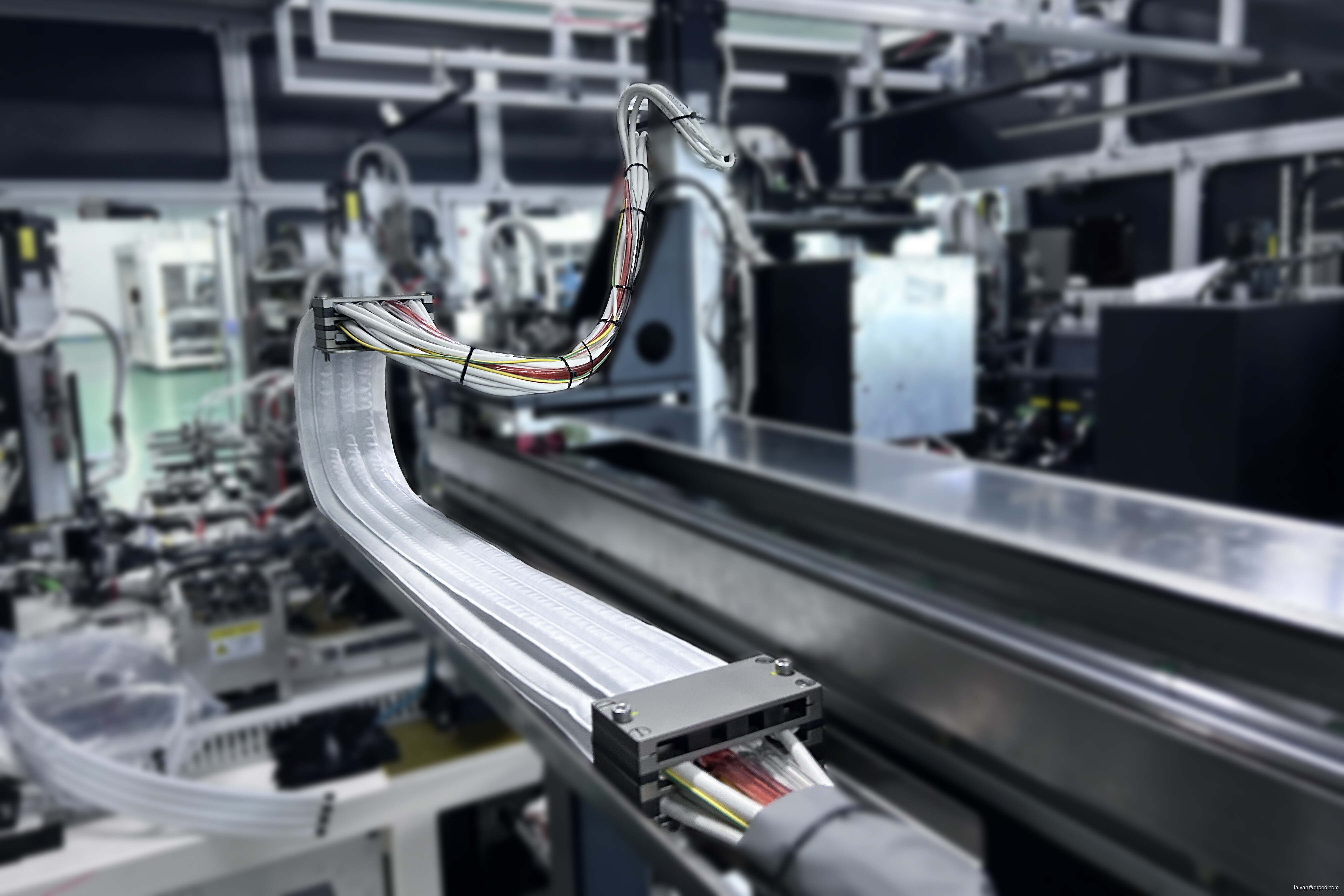
Integrating cleanroom total harness systems requires a thorough understanding of both the components involved and the environment in which they operate. Using a cleanroom drag chain is essential for managing cables, hoses, and other connections that demand high cleanliness standards. A reliable drag chain factory can provide solutions tailored to specific requirements, ensuring compatibility with cleanroom protocols. The drag chain manufacture focuses on materials that minimize particulate shedding and resist common contaminants. Additionally, these systems must accommodate dynamic movements while providing efficient maintenance access to avoid downtime. Proper integration facilitates streamlined operations and enhances overall system efficiency in sensitive environments like pharmaceuticals and electronics manufacturing.
Expert Insights on Drag Chain Solutions for Cleanrooms
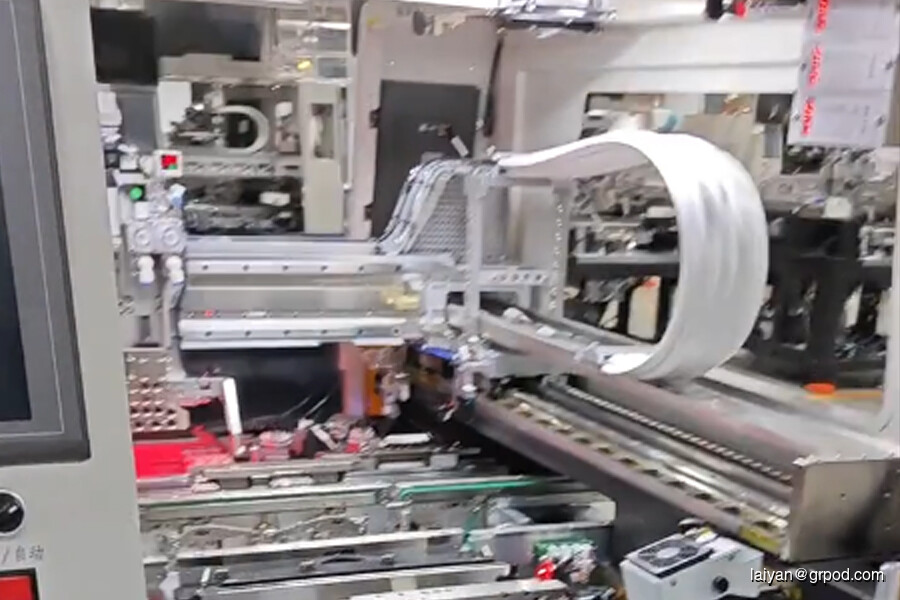
Selecting the right drag chain for cleanroom applications requires understanding the unique challenges posed by these controlled environments. Key features such as cleanroom compliance, low particle generation, and static control play a significant role in ensuring both operational efficiency and product integrity. Engineers should prioritize materials that resist common industrial chemicals and offer durability against dynamic movements. Additionally, considering the drag chain's openable design can greatly enhance maintenance efficiency, allowing for quick inspections and repairs without disrupting cleanroom operations. When evaluating options, take into account the specific cleanroom class requirements and the physical parameters of the cables to be managed. This thoughtful approach ensures seamless integration into total harness systems while maximizing system effectiveness in maintaining cleanliness and safety standards.
Key Considerations for Choosing Drag Chains in Automated Environments
When selecting drag chains for automated environments, several key factors come into play. First, it is essential to determine the cleanroom class requirements, as different classes impose varying levels of cleanliness that must be upheld. Next, consider the dimensions of the cables involved; accurate measurements of cable size and bend radius can prevent excessive wear and ensure smooth operation. Additionally, evaluate the load expectations to ensure that the drag chain can support the necessary weight without compromising performance. Chemical exposure risks must also be assessed, especially in environments where industrial fluids may prevail. Moreover, static control needs are critical; choosing a drag chain with anti-static properties can protect sensitive components from electrostatic discharge (ESD). Finally, maintenance accessibility should not be overlooked; selecting a design that allows for easy assembly and service can significantly enhance operational efficiency. By paying attention to these considerations, one can effectively choose a drag chain solution tailored to meet specific automation needs in cleanroom settings.
Conclusion
The implementation of optimized drag chain solutions for cleanroom moving systems and clean room total harness systems is pivotal in enhancing overall efficiency and safety in automated environments. By prioritizing correct material selection that adheres to cleanliness standards, businesses can mitigate the risks associated with contamination while ensuring reliable operations. Continuously evaluating factors such as compliance with cleanroom classifications, systematic load assessments, and the adaptability of the systems fosters an environment conducive to high-quality production. Moreover, investing in expert insights can facilitate informed decision-making that aligns with the specific needs of each cleanroom application. As industries evolve towards greater automation, these considerations will be essential in maintaining operational excellence and meeting regulatory requirements efficiently.
FAQs
What is a cleanroom moving system?
A cleanroom moving system is an assembly of components designed to manage and protect cables and hoses within controlled environments, ensuring adherence to cleanliness standards.
How does a drag chain enhance cleanroom operations?
A drag chain safeguards cables from damage, reduces particle shedding, and minimizes contaminants, contributing to a cleaner and more efficient operational setup.
What factors should I consider when selecting drag chains for cleanrooms?
It's important to consider cleanroom class requirements, cable dimensions, load capacity, chemical compatibility, static control needs, and maintenance accessibility.
Can drag chains be customized for specific applications?
Yes, many manufacturers offer customized drag chains that meet the unique operational requirements of various cleanroom environments.
How often should I maintain drag chain systems in a cleanroom?
Regular maintenance schedules are recommended based on usage patterns and environmental conditions to ensure optimal performance and compliance with cleanliness standards.
Contact Guangrou for a clean room drag chain solution.