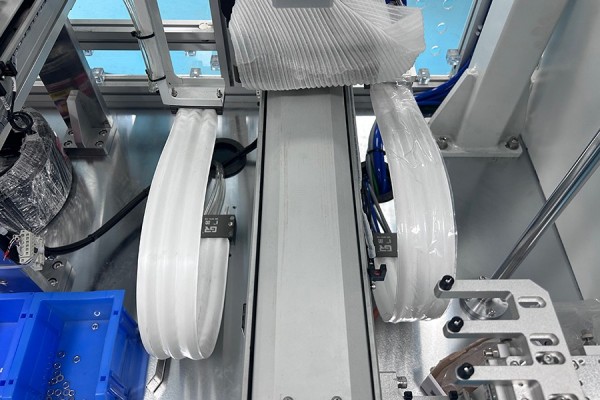
When selecting cleanroom-approved cable carriers, multifaceted considerations emerge to enhance operational success. First, it is essential to prioritize adherence to cleanliness standards relevant to your specific cleanroom classification. A thorough understanding of materials' properties is pivotal; selecting those that resist contaminants and abrasion can significantly influence the performance of cable carriers in sensitive environments. Additionally, evaluating design aspects, such as capacity for cable bundles and the flexibility of movement, will ensure that these carriers do not impede functionality over time. Furthermore, incorporating anti-static features is vital for safeguarding sensitive equipment from electrostatic discharge risks. By synthesizing these elements into the decision-making process, organizations can optimize their cable management solutions and enhance system reliability in critical operational settings.
Choosing the Right Cleanroom Cable Carrier for Enhanced Performance
When selecting a cleanroom drag chain, it’s crucial to evaluate specific performance criteria that align with your operational needs. High-quality cleanroom-approved cable carriers should be crafted to prevent contamination and maintain strict cleanliness standards. Look for drag chain manufacturers that ensure compliance with ISO classifications, as this guarantees the chain’s effectiveness in sensitive environments, such as semiconductor and medical device production. Durability factors like abrasion resistance and chemical compatibility must also be considered; these features contribute to the longevity of your cable management solutions. Additionally, an openable design allows for quick adjustments and maintenance, which can significantly enhance productivity in cleanroom settings. Collaborating with a reputable drag chain factory can provide you with expert insights on the best options available that meet both safety standards and performance requirements. Make sure to consider these aspects carefully to improve operational reliability while safeguarding critical components from contamination.
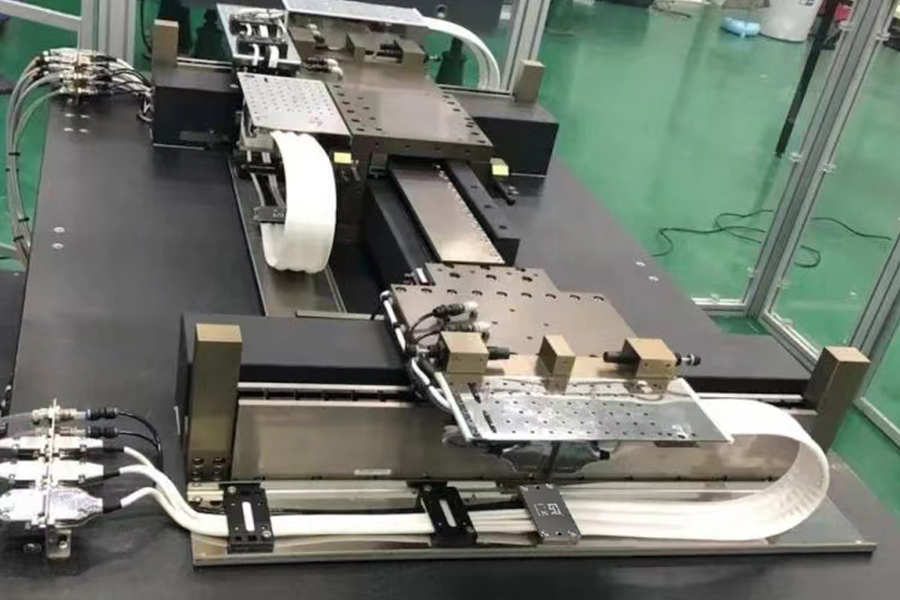
Essential Features of Cleanroom-Approved Cable Carriers for Optimal Functionality
Cleanroom-approved cable carriers must meet strict criteria to maintain controlled environments. Key features include materials resistant to abrasion, chemicals, and particle generation, ensuring minimal contamination risk. The design should allow for smooth, quiet operation to prevent disturbances in sensitive settings. Anti-static properties are essential to reduce electrostatic discharge that could damage equipment or compromise product integrity. Additionally, carriers should be easy to open and reconfigure for cable installation and maintenance without disrupting cleanroom conditions. Compatibility with ISO cleanliness standards is critical for certifying suitability in various cleanroom classes. These features collectively help maintain system reliability while protecting critical processes and components throughout operational cycles.
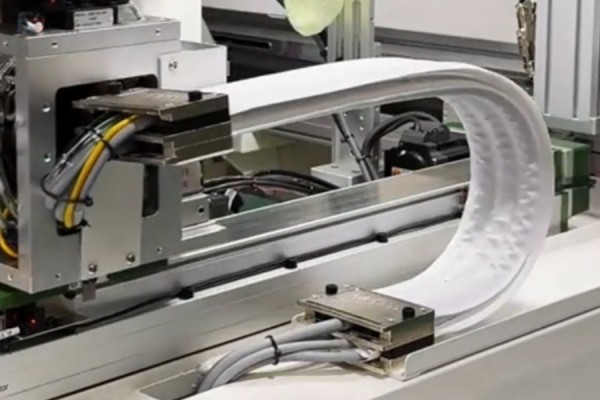
Factors to Consider When Selecting Cable Carriers for Controlled Environments
When selecting cable carriers for cleanroom applications, several factors should be carefully evaluated to ensure compatibility and effectiveness. First, it's essential to assess the cleanroom's class requirements since different classes have varying levels of contamination control. The design and materials of the cable carrier must align with these specifications to maintain a controlled environment.
Next, consider the size of the cable bundles that will pass through the carriers. Ensuring that the carrier can accommodate these sizes without causing stress or wear is crucial for performance longevity.
Movement frequency is another key aspect. High-frequency movements require carriers with durability and flexibility, which can reduce wear and tear over time. In addition, understanding the potential exposure to chemicals or lubricants in your specific application is vital in choosing materials resistant to such substances.
Lastly, evaluate static dissipation needs based on the sensitive nature of equipment within controlled environments. Selecting a cable carrier with anti-static properties can help minimize electrostatic discharge risks.
"Match your cable carrier selection with operational demands to enhance functionality and reduce long-term costs."
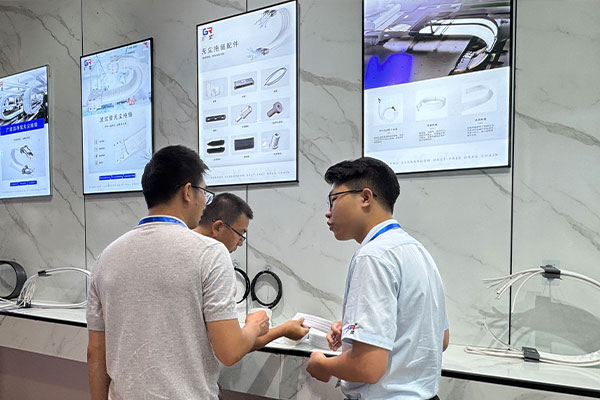
Maximizing Efficiency with Cleanroom-Compliant Cable Management Solutions
Effective cable management in cleanroom environments is crucial for maintaining operational efficiency and ensuring consistent performance. Cleanroom-compliant cable carriers play a vital role in achieving this goal. By utilizing durable materials that minimize static and dust generation, these carriers help protect sensitive equipment from contamination. Their design facilitates organized routing, reducing clutter and enhancing accessibility for maintenance. Additionally, the openable design allows for quick cable replacement or reconfiguration, reducing downtime during maintenance tasks. Implementing these solutions helps ensure adherence to cleanliness standards while promoting a streamlined operation, ultimately contributing to the overall performance of sensitive environments like semiconductor manufacturing and medical device production.
Conclusion
Selecting the right cleanroom cable carrier is vital for ensuring operational efficiency and preventing contamination in sensitive environments. By focusing on essential features such as durability, anti-static properties, and compliance with cleanliness standards, facilities can maintain high performance levels. Furthermore, understanding the specific requirements of the cleanroom class and the operational demands allows for informed decisions that enhance reliability and longevity of cable management solutions. Ultimately, investing in cleanroom-approved cable carriers not only safeguards critical components but also contributes to smooth operations in high-stakes industries like semiconductor manufacturing and medical device production.
FAQs
What are cleanroom-approved cable carriers?
Cleanroom-approved cable carriers are specialized drag chains designed to meet stringent cleanliness standards, preventing contamination in sensitive environments like semiconductor and medical device production.
Why is material selection important for cleanroom cable carriers?
Material selection is crucial because the right materials can resist abrasion, chemicals, and particle generation, ensuring minimal risk of contamination during operation.
How do I determine the appropriate dimensions for cable carriers?
To determine the appropriate dimensions, assess the size of the cable bundles that will be managed. The carrier should have enough capacity to accommodate these bundles without causing stress or wear.
What factors contribute to the durability of cleanroom cable carriers?
Durability can be influenced by factors such as abrasion resistance, chemical compatibility, and design flexibility, all of which are essential for reducing wear over time in high-frequency movement scenarios.
How do anti-static properties benefit cleanroom environments?
Anti-static properties help reduce electrostatic discharge risks that can damage sensitive equipment or compromise product integrity in controlled environments.
Contact Guangrou for a clean room drag chain solution.