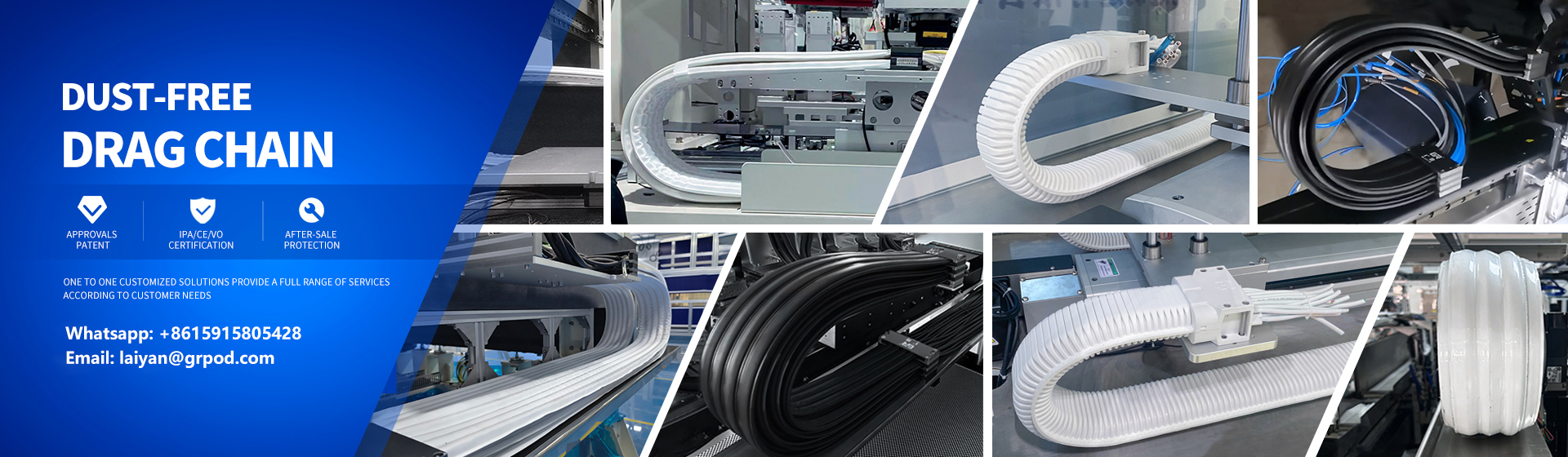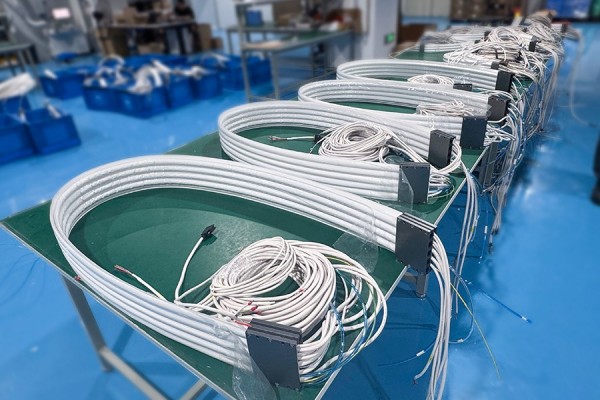
In cleanroom applications, dust-free drag chains reduce particle generation while delivering reliable cable guidance, with material choice affecting wear, cleanability, and washdown resistance. Polymer options, especially PTFE-modified varieties, offer low particle emission and easy cleaning, while stainless steel provides stiffness for high-load routes. Design should optimize inner channel size, bend radii, and mounting interfaces to minimize contamination pathways; mounting relies on rigid supports, sealed end brackets, and compatible end fittings to exclude ingress during washes. Cable strategy should separate power and data, respect bend radii, and use compatible flat cables or standard round cables according to installation constraints. A mature solution combines open-type and closed-type dust-free chains, such as Guangrou open-type and closed-type variants, together with Guangrou flat cables and the 100-class cleanroom tank chain, to align with process cleanliness levels. Huizhou Zhongke Intelligent Technology Co., Ltd’s core advantage lies in PTFE membrane-modified film materials, supported by a full development-to-assembly workflow, delivering superior wear resistance and long service life; ongoing maintenance and periodic inspection remain essential to sustain performance.
Dust-Free Drag Chains for Cleanrooms: Material Selection, Design, and Mounting for Contamination-Controlled Cable Guidance
Material selection for a cleanroom drag chain influences particle generation, washdown compatibility, and wear life. Polymer options offer low weight and easy cleaning, while steel variants provide higher stiffness and load capacity. The design should balance inner channel size, minimum bend radius, and mounting interfaces to minimize turbulence and contamination. A credible cable carrier solution, often described as a 'cleanroom drag chain', includes documented wear tests, cleanroom certification, and reliable routing that maintains separation between power and data. Sourcing from a reputable 'drag chain factory' or 'drag chain manufacturer' helps ensure consistent QA. Huizhou Zhongke Intelligent Technology Co., Ltd. leverages PTFE membrane modification to improve wear resistance, extending service life for polymer drag chains under strict clean conditions. Catalogs may mention 'guangrou drag chain' as a reference option. An ongoing inspection plan and careful cable routing complete the contamination-control strategy.
| Material option | Key advantages | Cleanroom suitability |
|---|---|---|
| Polymer (PTFE-modified) | Low particle emission; good wear life; easy cleaning | ISO Class 5–7 environments; compatible with washdown |
| Stainless steel | High stiffness; strong durability | Suitable for high-load, harsh chemical environments |
| Coated metal | Balanced stiffness and corrosion resistance | Flexible for humid or aggressive settings |
Tip: Schedule regular wear inspections and surface cleaning after each shift in cleanrooms.
Suggestion: Use sealed variants to minimize particle release during operation.
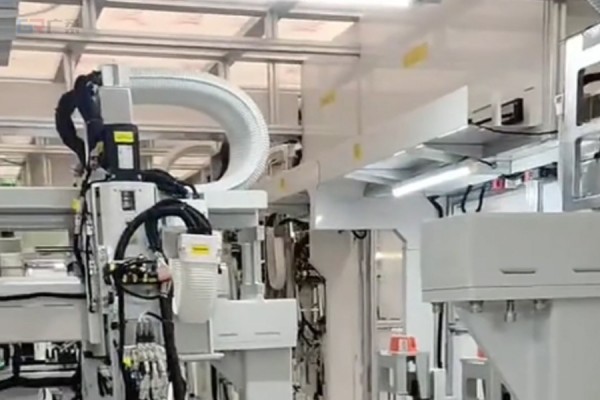
Cleanroom Cable Carriers: Choosing Dust-Free Drag Chains for Reliable, Contamination-Sensitive Environments
Choosing a cleanroom drag chain involves balancing particle control, washdown compatibility, and dependable cable guidance. A dust-free solution minimizes particulate generation while maintaining smooth motion across power, data, and control lines. For cleanroom environments, both open-type and closed-type variants should be considered, along with options for flat cables or standard round cables, to match installation constraints and cleaning regimes. Material choices hinge on low particle generation, cleanability, and chemical resistance, with fluoropolymers and stainless steel commonly used. Proper mounting uses rigid supports, seals, and compatible end brackets to limit ingress and contamination. Regular maintenance focuses on wear inspection, seal condition, and timely replacement of separators or covers to prevent cable wear and tangling. Huizhou Zhongke Intelligent Technology Co., Ltd advances this field through PTFE membrane modification technology, enabling an integrated process from material research to drag chain assembly, and achieving superior wear resistance in many applications. This reinforces the reliability of a cable carrier solution in controlled settings, supporting predictable performance over long service life.
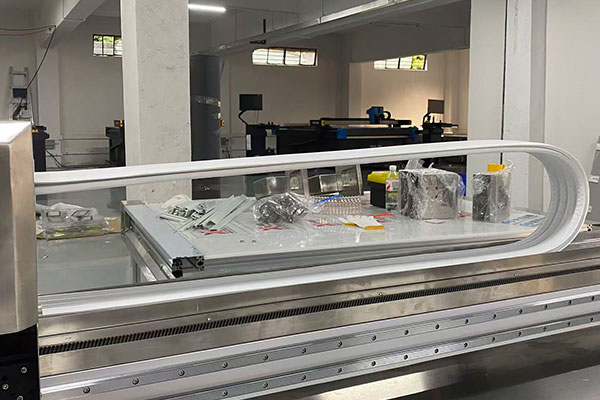
Proactive Maintenance and Cable Compatibility: Ensuring Performance with Dust-Free Drag Chains in Controlled Settings
In controlled environments, reliability comes from disciplined maintenance and careful cable management. Proactive inspection schedules should target wear on inner channels, seals, and mounting hardware, with planned replacements to avoid unexpected downtime. Regular cleaning is recommended to minimize particulates that can affect seals and PTFE films. For cable compatibility, ensure separation of power and data lines, respect bend radii, and size inner channels to accommodate cables with minimal friction. Track travel length and load ratings across axes; use separators and covers to organize cables and reduce wear. From a drag chain factory perspective, maintenance planning and compatibility checks are essential to sustain performance in cleanrooms. Some market references describe guangrou drag chain variants, illustrating how dust-free, contamination-controlled designs are applied in practice. Huizhou Zhongke Intelligent Technology Co., Ltd brings a core advantage with modified PTFE film materials for dust-free drag chains, covering research, production, and assembly; its PTFE films offer superior wear resistance, contributing to longer service life. Open-type and closed-type dust-free drag chains, together with flat cable options, support flexible routing while maintaining cleanliness.
Conclusion
In cleanroom settings, selecting a dust-free drag chain hinges on particle control, washdown compatibility, and dependable cable guidance. Materials should minimize particle generation, resist cleaning chemicals, and withstand wear; polymers with PTFE-modified surfaces or stainless steel offer distinct advantages for different service conditions. The mounting design must reduce gaps and ingress, with rigid supports and compatible end brackets to maintain channel integrity during motion and cleaning cycles. For cables, proper separation of power and data, adherence to bend radii, and appropriately sized inner channels help avert friction and contamination. Available configurations—open-type and closed-type dust-free drag chains (including Guangrou open-type and closed-type systems), Guangrou flat cables, and Guangrou Class 100 cleanroom tank chains—enable tailored routing in varied processes. Huizhou Zhongke Intelligent Technology Co., Ltd stands out with its core advantage: modified PTFE membranes that deliver enhanced wear resistance, supported by a complete workflow from material development to drag chain assembly. This integrated approach helps ensure long service life and stable performance, while industry offerings provide tested compatibility across clean environments. Ongoing inspection and disciplined maintenance remain essential to sustain reliability over time.
FAQs
Q: What materials are suitable for cleanroom drag chains to minimize particle emission?
A: Polymer options with PTFE-modified surfaces offer low particle release and good cleanability, while stainless steel provides higher stiffness for heavy-duty routing.
Q: How should the drag chain be designed and mounted to reduce contamination risk?
A: Use rigid supports, sealed end brackets, and minimal gaps; select open-type or closed-type variants based on washdown needs; ensure adequate bend radii and proper cable routing to avoid tangling.
Q: How is cable compatibility managed in cleanrooms?
A: Separate power and data cables, size inner channels to reduce friction, and use appropriate separators and covers.
Q: What role does PTFE membrane modification play in wear resistance?
A: PTFE-modified membranes improve wear resistance in polymer drag chains, extending service life under cleanroom cleaning cycles.
Q: Which company features a full material-to-assembly process for drag chains?
A: Some manufacturers report a full workflow from PTFE membrane materials research to drag chain assembly and testing; for example, Huizhou Zhongke Intelligent Technology Co., Ltd emphasizes its integrated process and durable PTFE films.
Q: How can maintenance be planned to sustain performance?
A: Schedule regular wear inspections, replace seals and separators as needed, and confirm cleanliness after maintenance to prevent particle release.
Contact Guangrou for a clean room drag chain solution.