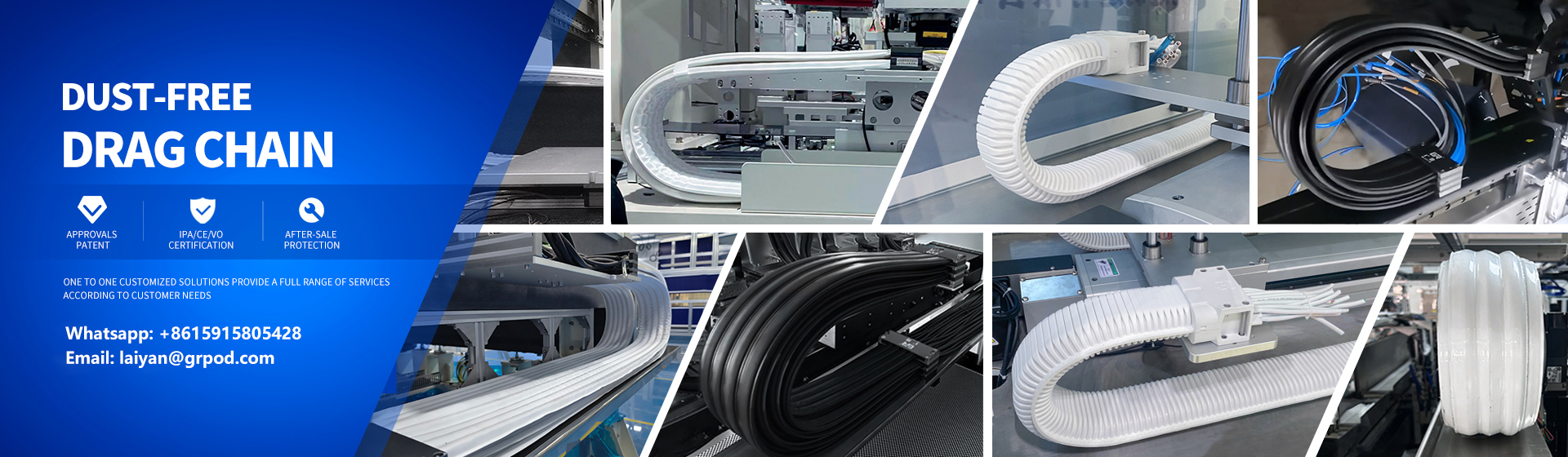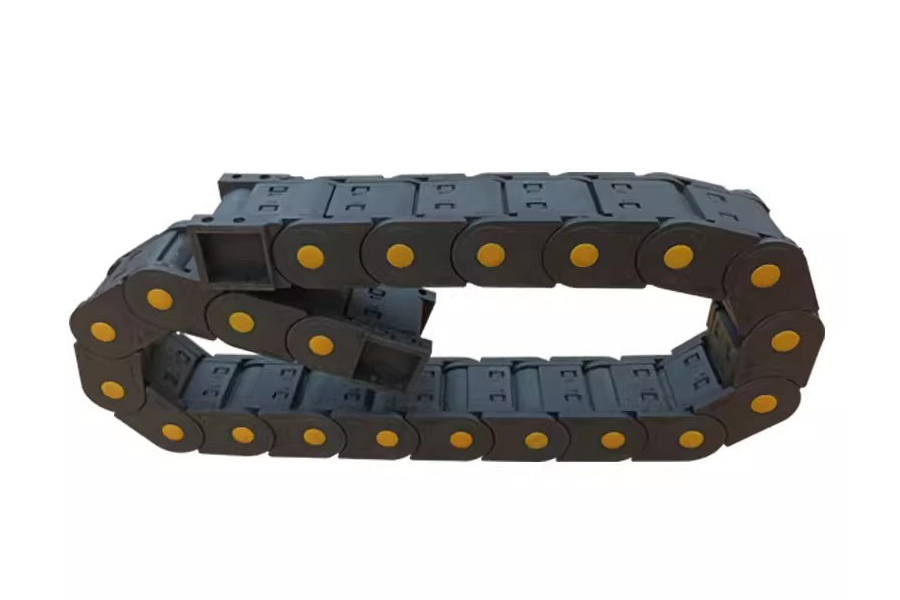
The importance of drag chains in industrial applications cannot be overstated. These systems provide effective cable management, facilitating the smooth operation of machinery by preventing cable tangles and damage. Their design enables the protection of cables from external stresses, contributing to a safer operational environment. Additionally, drag chains enhance workflow by allowing for rapid adjustments and configurations, thus accommodating various production needs. Regular maintenance is essential to ensure optimal performance, as inspecting for any wear can prevent unplanned downtimes. By leveraging the benefits of drag chains, industries can achieve more reliable and efficient automation processes while maintaining a structured approach to cable management.
Maximizing Operational Efficiency with Drag Chains in Industrial Settings
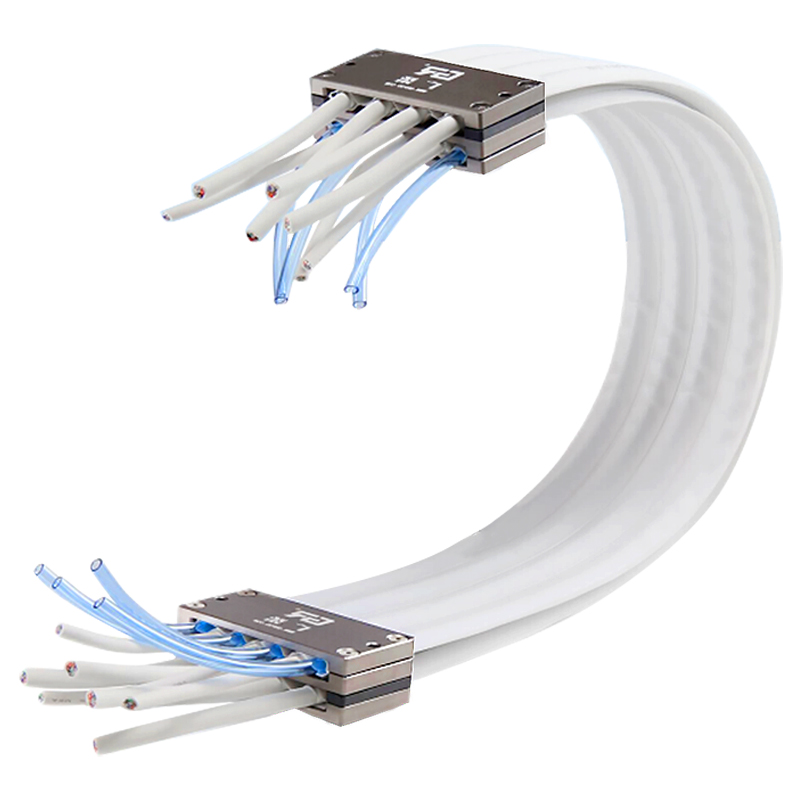
Drag chains are increasingly recognized for their crucial role in industrial automation. These components aid in maintaining a clean and organized layout, particularly in sectors that require precision, such as electronics and pharmaceuticals. The integration of a cleanroom drag chain can significantly reduce the risk of contamination, thereby enhancing overall operational integrity.
Moreover, drag chain manufacturers focus on providing customizable options that cater to specific needs, such as varying lengths and link configurations. This adaptability allows for seamless integration within existing setups, leading to smoother operations and less downtime.
"Efficient cable management is key to maximizing workflow efficiency."
When using drag chains, it’s essential to consider factors like load capacity and environmental conditions, ensuring that the selected solution meets the demands of the operational environment. These innovations contribute not only to protection against mechanical damage but also support consistent performance across a range of industrial applications.
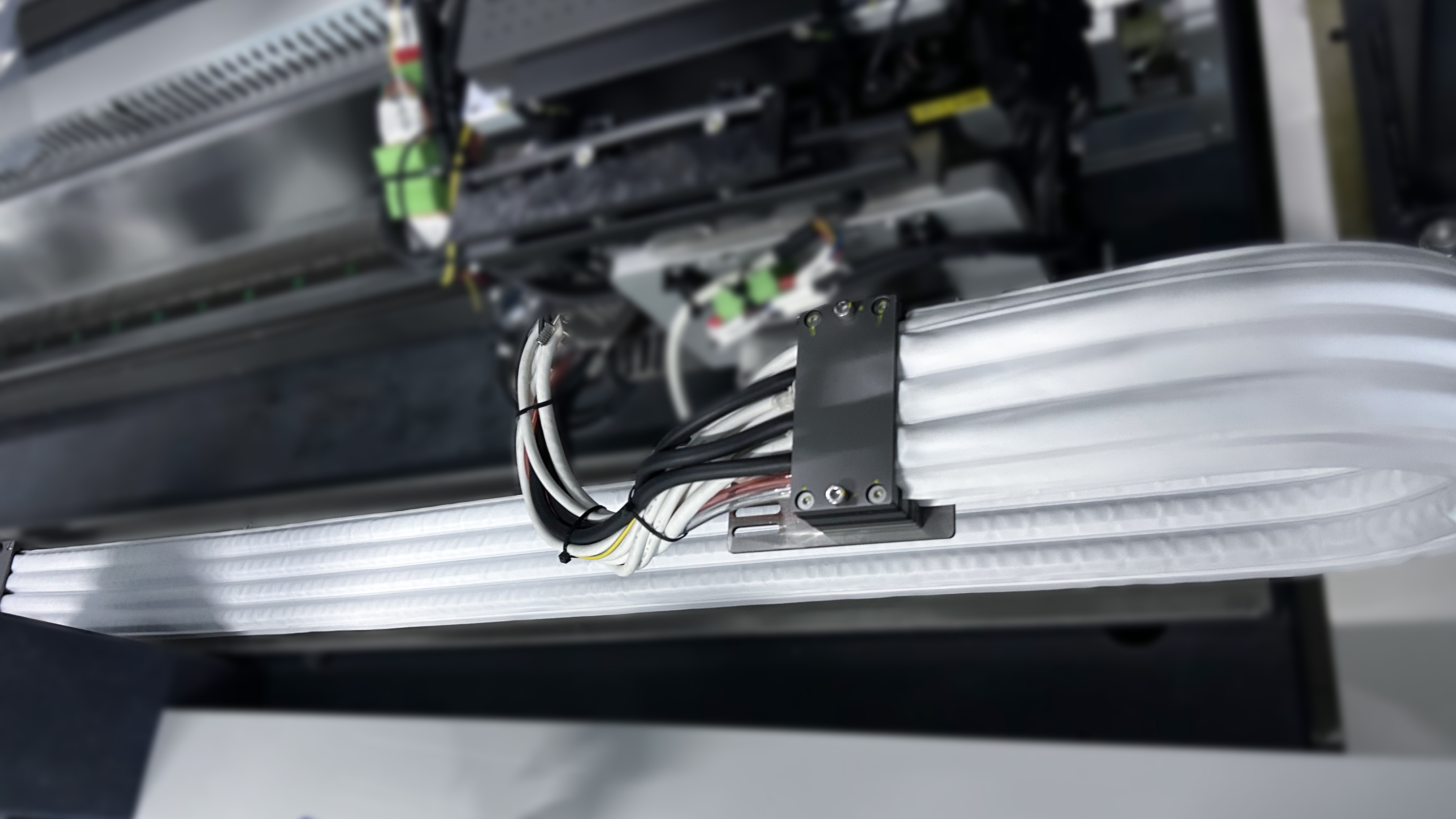
The Essential Role of Innovative Cable Carriers in Streamlining Processes
Innovative cable carriers, particularly drag chains, significantly contribute to the efficiency of industrial processes. These systems are engineered to keep cables and hoses organized, minimizing wear and preventing disruptions in production lines. By utilizing precise designs from a reliable drag chain factory, manufacturers can ensure that the carriers seamlessly integrate into various machinery. The structured setup not only protects vital components but also allows for smoother movement during operation. Additionally, modern drag chains often incorporate features that promote rapid installation and easy adjustments, making them suitable for evolving industrial demands. This flexibility enhances the overall performance and reliability of automation systems, enabling businesses to maintain high productivity levels.
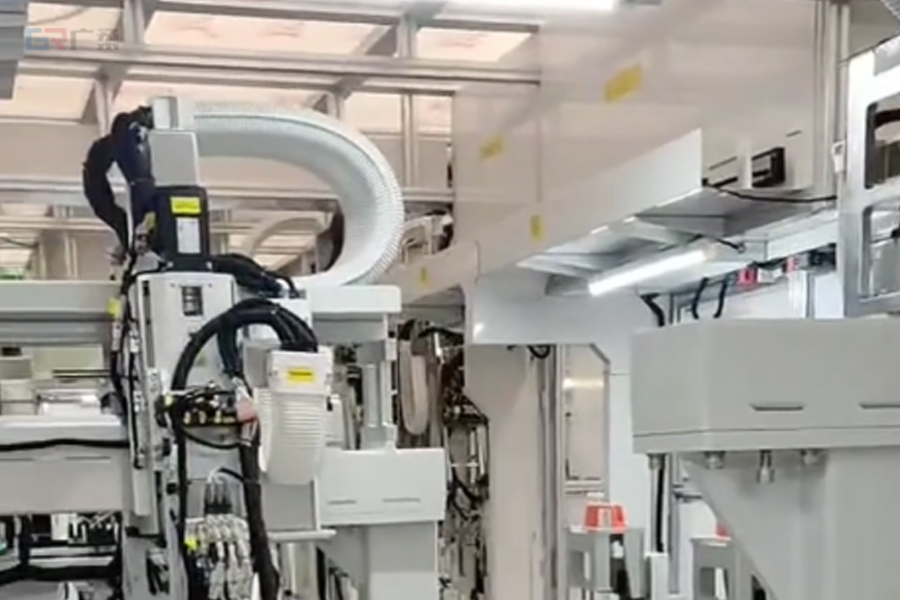
Understanding the Durability and Design Benefits of Drag Chains
Drag chains are engineered to withstand the rigors of industrial environments, offering significant durability through their robust construction. Made from high-performance plastic materials, these cable carriers resist wear and tear, ensuring a long service life even in demanding applications. The design of drag chains often incorporates features such as a modular structure, allowing for easy customization and maintenance. This adaptability is essential for various machinery and automation needs, as it helps maintain organized cable management. Additionally, drag chains are built to handle high movements without compromising the integrity of the enclosed cables and hoses. Their ability to facilitate smooth operation leads to minimized downtime and increased productivity across industrial processes.
Key Features of Cable Carriers that Enhance Productivity in Automation
Cable carriers, particularly drag chains, offer several key features that significantly boost productivity in automation settings. Their modular design allows for easy extension or reduction of length, facilitating adaptability to various machine configurations. This flexibility is critical for accommodating different cable management needs while ensuring that setup time is minimized during installation. Additionally, drag chains help maintain organized wiring layouts, reducing the risk of cable tangling and wear caused by constant movement. The robust materials used in modern cable carriers enhance durability, allowing them to withstand harsh operating conditions commonly found in industrial environments. This longevity contributes to less frequent replacements and repairs, ultimately leading to decreased downtime and improved efficiency across operations. Through these features, drag chains play an essential role in maintaining smooth workflows in automated systems.
Conclusion
The integration of innovative cable carriers, particularly drag chains, is crucial for enhancing efficiency in industrial environments. These components ensure a tidy management of cables and hoses, which subsequently minimizes damage and operational delays. Durability is a key aspect, as drag chains are designed to withstand harsh conditions while maintaining their functionality. As industries continue to evolve, the demand for adaptable solutions such as customizable drag chains is increasingly important. Their ability to provide organization and protection directly impacts productivity, allowing businesses to optimize workflows. With the growing reliance on automation, the role of cable carriers in achieving smooth operations cannot be overstated.
FAQs
What are drag chains and how do they function?
Drag chains are flexible systems designed to manage cables and hoses, providing a protective pathway that allows them to move with machinery while maintaining organization.
Why are drag chains important in industrial applications?
They help minimize wear and tear on cables, reduce downtime from tangles or damage, and ensure a clean operational environment, which is critical for industries like manufacturing and pharmaceuticals.
How can I determine the right drag chain for my application?
Consider factors such as load capacity, environmental conditions, and the specific dimensions required for your setup. Customizable options are available to suit various needs.
Are there maintenance requirements for drag chains?
While drag chains are designed for durability, regular inspections can help identify wear points. Ensuring that they operate cleanly and smoothly can extend their service life.
What materials are commonly used in the construction of drag chains?
High-performance plastics are typically used to manufacture drag chains due to their strength, flexibility, and resistance to various environmental factors.
Contact Guangrou for a clean room drag chain solution.