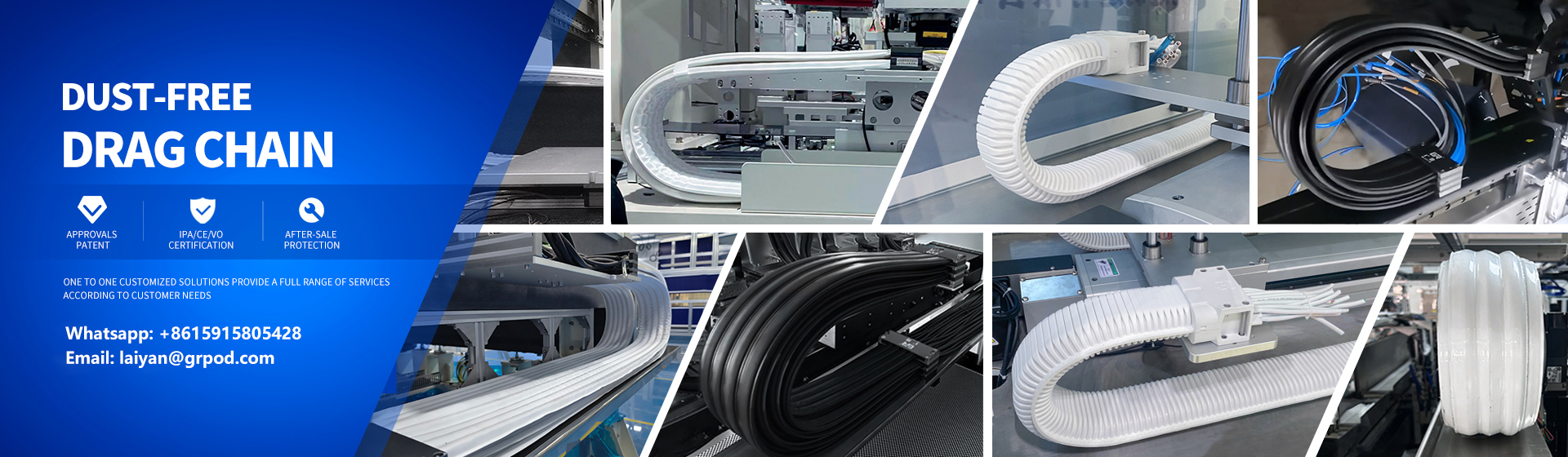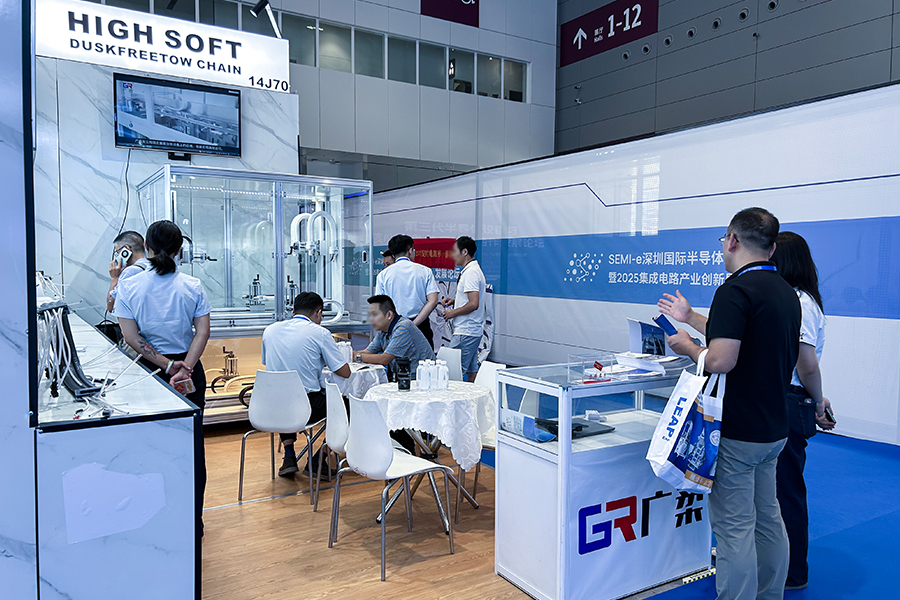
Utilizing cable carriers, specifically drag chains, is crucial for the efficiency and protection of cables in industrial environments. These systems help to manage the organization of cables, guarding against wear from constant motion and heavy machinery. The robust design of drag chains offers significant customization options that can accommodate various cable types and lengths, enhancing their functionality across different applications. Furthermore, the incorporation of high-quality materials in their construction ensures that they can withstand demanding conditions while maintaining flexibility. As industries aim to improve productivity and minimize downtime, investing in effective cable management solutions will be essential to sustaining operational integrity and longevity of automated systems.
How Cable Chains Improve Performance and Protect Cables
Cable chains, particularly drag chains, are essential for ensuring the safe and efficient operation of automated systems. By enclosing and supporting cables and hoses, these systems mitigate wear caused by constant movement, which is vital in high-speed environments. A reputable drag chain factory designs these chains with durability in mind, utilizing materials that withstand harsh conditions while maintaining flexibility.
Incorporating a drag chain manufacture's innovations can lead to significant improvements in system performance. For instance, a well-structured drag chain minimizes the likelihood of cable tangling and damage, promoting a more reliable operation. Effective use of cable carriers can also facilitate better organization within machinery, reducing the risk of downtime related to cable maintenance.
“Choosing the right design for your drag chain is crucial; it can dramatically extend the lifespan of your cables and improve overall efficiency.”
By focusing on optimized design features—such as modular links for customization—industries can tailor their cable management solutions to fit specific needs, enhancing both performance and safety in their operations.
The Benefits of Drag Chains in Industrial Applications
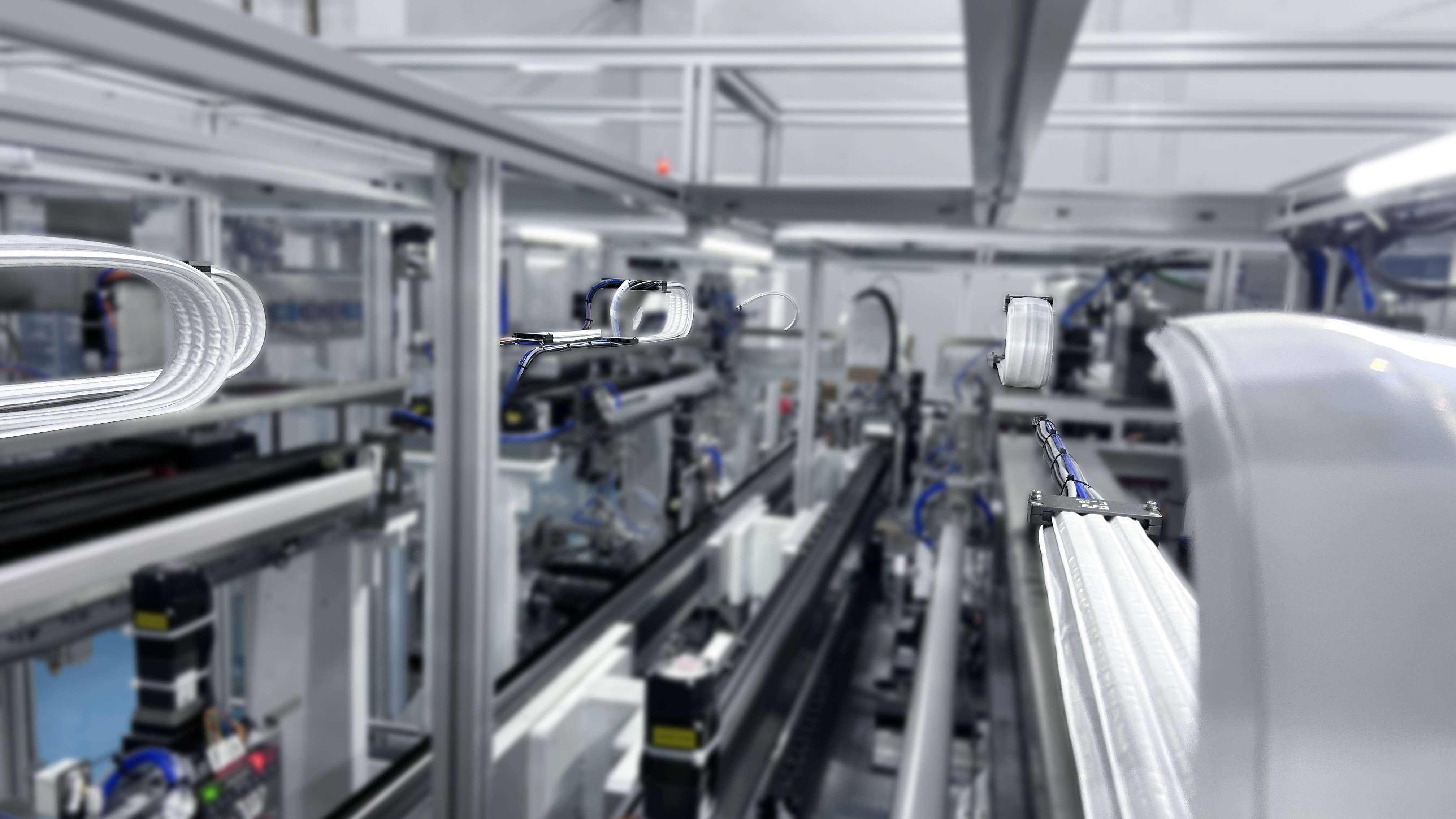
Drag chains play a pivotal role in enhancing the efficiency of industrial applications by providing seamless cable management. These components ensure that cables remain organized and protected from wear and mechanical stress associated with movement. In environments like CNC machines and automated assembly lines, the use of drag chain manufacture allows for a robust solution that extends the lifespan of cables and prevents potential malfunctions caused by tangling or premature wear.
Their design offers flexibility, accommodating various cable types while maintaining easy installation. Additionally, drag chains can be customized to fit different lengths and applications, which helps optimize space and workflow. The ability to proactively manage cables translates to reduced downtime in manufacturing processes, thereby improving overall productivity. Below is a table outlining key benefits linked to the use of drag chains in industrial settings:
| Benefit | Description |
|---|---|
| Cable Protection | Shields against abrasion and movement stress |
| Improved Organization | Keeps cables organized, eliminating tangling |
| Customizable Lengths | Tailored solutions for various setups |
| Reduced Downtime | Minimizes maintenance needs and production halts |
Maximizing Durability with Innovative Cable Carrier Designs
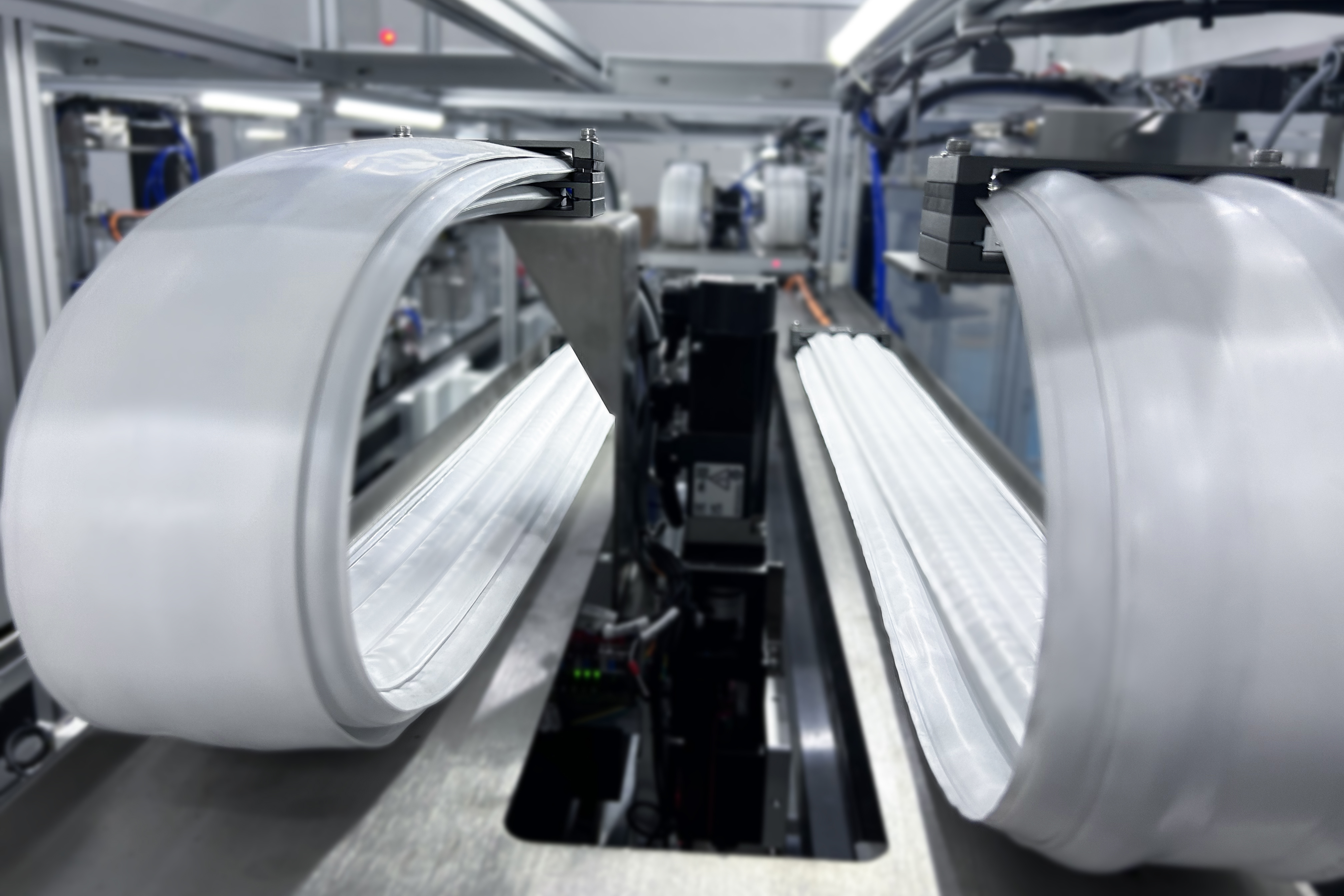
The design of cable carriers, particularly those from a reputable drag chain factory, plays a pivotal role in enhancing durability and performance in industrial environments. Advanced materials and engineering techniques have led to the development of cable carriers that withstand harsh conditions while maintaining flexibility. For instance, the use of high-quality plastics in drag chains not only resists wear but also reduces friction, ensuring smooth movement and minimal downtime. Additionally, many modern designs incorporate features such as modular link systems, allowing users to customize lengths based on specific applications. This adaptability not only optimizes space but also contributes to effective cable management by preventing entanglements and protecting critical wiring. As industries continue to evolve, these innovative designs prove essential for maximizing the service life and reliability of automated systems.
Effective Cable Management Solutions: Exploring Drag Chains and Their Advantages
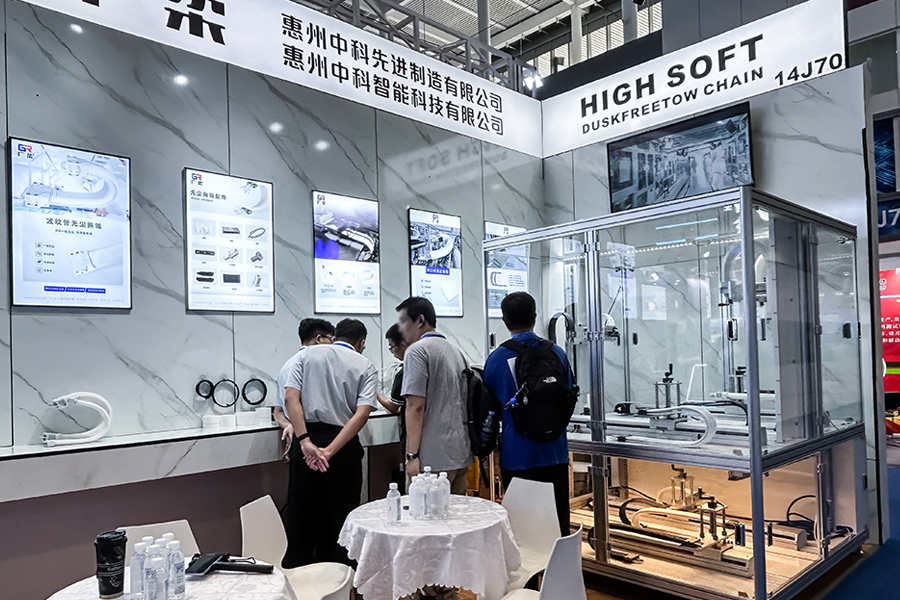
Drag chains, particularly the cleanroom drag chain, offer a reliable solution for effective cable management in various industrial settings. These chains are designed to house and protect cables, hoses, and pipes from potential damage caused by movement and friction. Their design not only minimizes wear but also maintains a tidy workspace, which is essential in environments that require strict cleanliness standards. Furthermore, drag chains provide flexibility in cable management; they can adapt to different layouts and configurations without compromising performance. The modularity of drag chains allows for easy adjustments to lengths, making installations straightforward. Additionally, their robust materials contribute to an extended service life of cables, which reduces maintenance costs and downtime significantly in high-demand applications like machinery automation and robotics. By enabling efficient organization of cables, drag chains help enhance the overall operational efficiency of systems in diverse industrial fields.
Conclusion
In summary, the use of cable carriers, particularly drag chains, is integral to optimizing performance and durability in industrial settings. These systems not only provide effective cable management by preventing wear and tangling but also enhance operational efficiency through their adaptable designs. The choice of materials and innovative features in modern drag chains helps to withstand challenging environments, significantly extending the service life of cables. By investing in quality cable management solutions, industries can minimize maintenance disruptions while ensuring smooth operations. The strategic implementation of cable carriers ultimately supports sustained productivity and safety across various applications.
FAQs
What are cable chains, and why are they important?
Cable chains, including drag chains, are protective enclosures for cables and hoses that ensure movement without wear or damage, thereby enhancing the efficiency and safety of automated systems.
How do drag chains contribute to cable management?
Drag chains keep cables organized and protected from tangling and abrasion, which reduces maintenance needs and prevents malfunctions in systems.
Can drag chains be customized for specific industrial applications?
Yes, drag chains can be tailored to fit various lengths and configurations, making them versatile for different setups in industrial environments.
What materials are typically used in the manufacturing of drag chains?
High-quality plastics or metals that provide resistance to wear, flexibility, and durability under harsh conditions are commonly used in drag chain designs.
How do innovative designs improve the performance of cable carriers?
Modern designs incorporate modular link systems and advanced materials that minimize friction and enhance movement efficiency while protecting critical wiring from damage.
In what environments are cable carriers most beneficial?
Cable carriers are particularly beneficial in high-demand settings such as CNC machines, automated assembly lines, and cleanrooms where effective cable management is crucial.
Contact Guangrou for a clean room drag chain solution.